


01 Overview
Understanding Total Knee Replacement
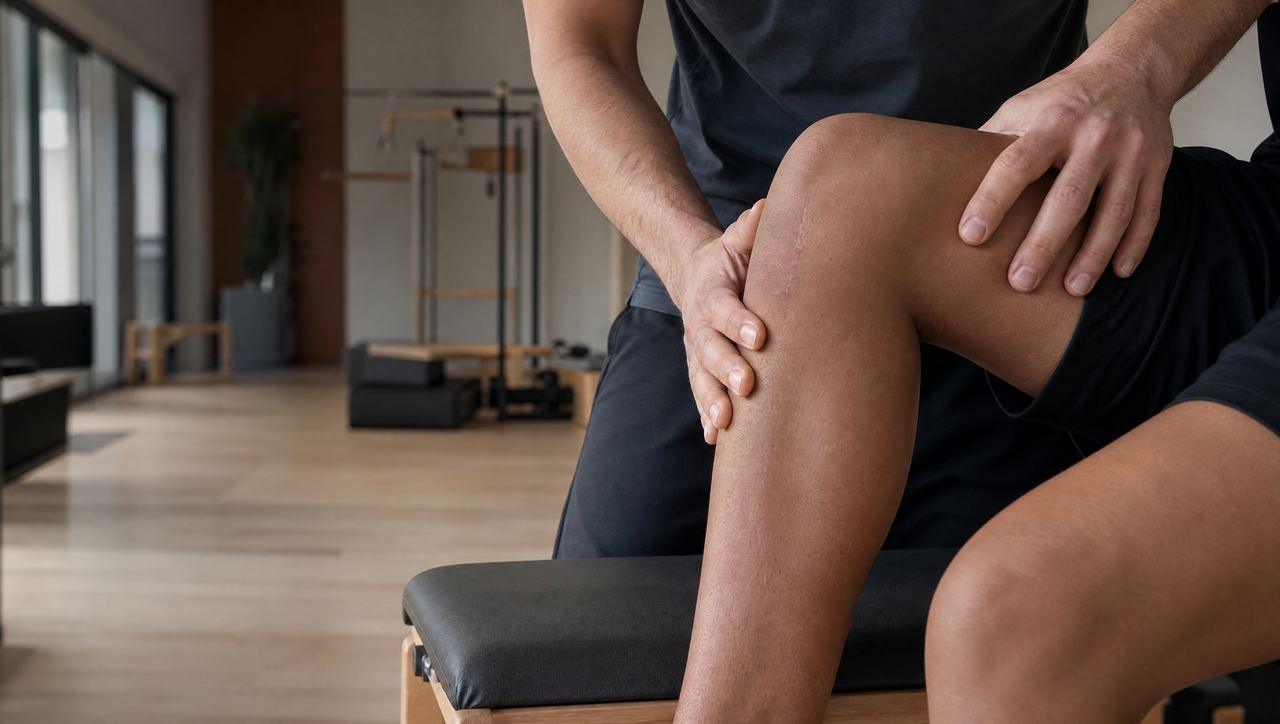
Total knee replacement is a surgery where damaged parts of the knee joint are replaced with artificial components. It’s often needed due to arthritis, severe injury, or years of wear and tear. While surgery restores function, physical therapy plays a crucial role in recovery—helping rebuild strength, mobility, and confidence in everyday movement.
Often treated with
02 Benefits
Top 3 Benefits of Treating a Total Knee Replacement
- 01
Faster, Stronger Recovery
Physical therapy helps you safely regain motion and strength after surgery. Guided exercises reduce stiffness, speed up healing, and prepare your knee for daily activities so you can get back on your feet quicker.
- 02
Reduce Pain With No Medication
Therapy techniques like targeted stretching, strengthening, and manual care ease swelling and discomfort, cutting down the need for painkillers while still keeping you moving comfortably.
- 03
Improved Long-Term Mobility
Rehab ensures your new knee functions properly for years to come. Therapy strengthens muscles around the joint, improves balance, and teaches safer movement so you can walk, climb stairs, and live independently with confidence.
03 How we treat it
Top 5 Ways to Treat Total Knee Replacement
Your plan is matched to your diagnosis and how you like to be treated — and adjusted at every visit.
- 01
Range of Motion Exercises
Gentle stretches restore flexibility and prevent stiffness in the new joint.
- 02
Strength Training
Builds muscle around the knee to improve stability and support long-term recovery.
- 03
Manual Therapy
Hands-on techniques reduce scar tissue buildup and ease swelling.
- 04
Gait Training
Helps you relearn proper walking patterns and posture after surgery.
- 05
Balance & Functional Training
Improves everyday movement, from standing to climbing stairs, so daily life feels natural again.
04 Questions
Frequently asked questions.
I absolutely love going to BD for PT! When entering the reception desk to the PT staff are always upbeat and friendly! Regan is my PT person and she is remarkable! I have had 3 Lumbar surgeries and Regan is very knowledgeable…
How long is recovery after total knee replacement?
Most people need 3–6 months of therapy for full function, though progress varies.
When can I start physical therapy after surgery?
Usually within a few days, as early movement helps prevent stiffness and speeds recovery.
Will I need a walker or cane?
Yes, temporarily. Therapy helps transition you safely to walking without assistance.
How painful is recovery?
Some soreness is normal, but therapy reduces discomfort and helps manage swelling.
Can physical therapy reduce my reliance on medication?
Yes—strengthening, stretching, and manual therapy often lessen the need for painkillers.
What happens if I skip therapy?
Skipping rehab can lead to stiffness, limited motion, and long-term difficulty moving.
Can I return to sports after knee replacement?
Many patients return to low-impact activities like golf, cycling, or swimming once cleared.
How do I know if my progress is on track?
Your therapist monitors milestones like walking distance, knee bend, and strength to ensure you’re healing properly.
05 Related care
Keep exploring.
- AddressBD Physical Therapy, Suite B
63 South Main Street, Randolph, MA 02368 - HoursMonday – Friday · 8:00 AM – 8:00 PM
- Languages
- English
- Kriolu
- Español
- Français
- ਪੰਜਾਬੀ
- Next doorBD Chiropractic, Suite A · (781) 961‑4460