


01 Overview
Understanding Tendinitis
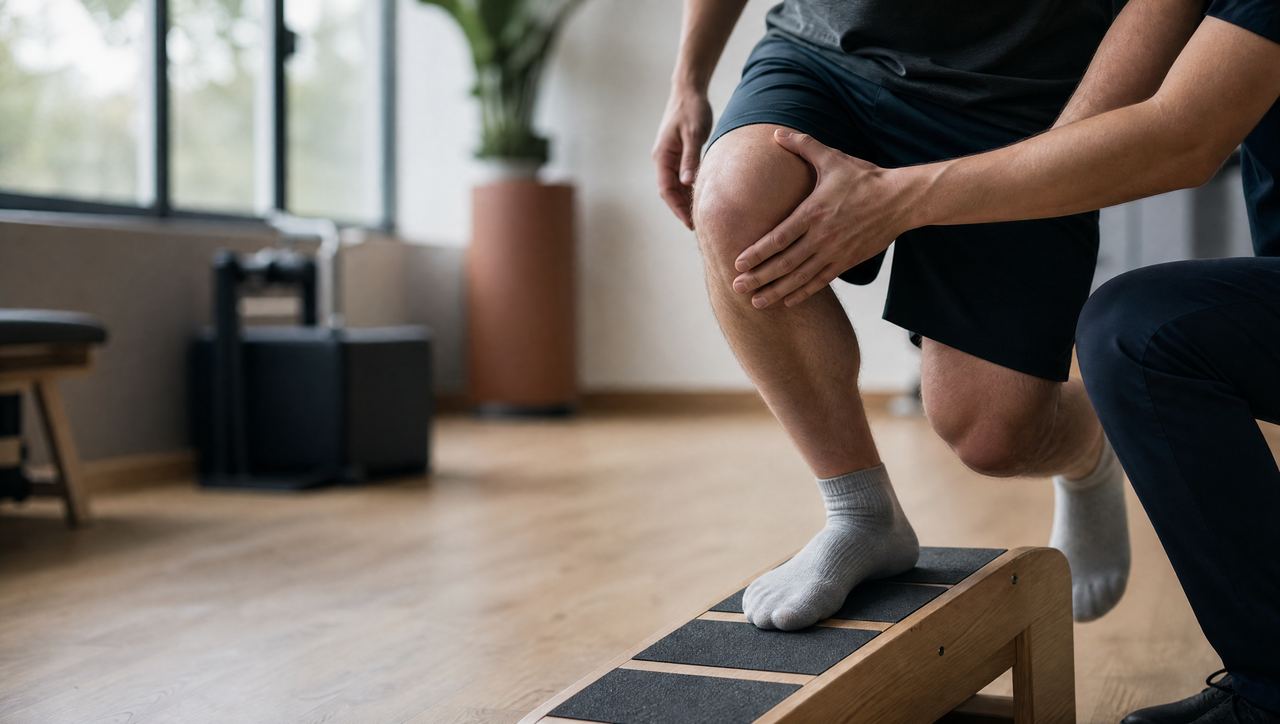
Tendinitis happens when a tendon—the tough cord that connects muscle to bone—gets inflamed or irritated. This usually develops from overuse, repetitive motions, or sudden strain. It’s common in shoulders, elbows, wrists, knees, and heels. Think of it as your body’s way of saying, “I need a break.” Without treatment, the pain can linger and interfere with your daily activities or workouts.
Often treated with
02 Benefits
Top 3 Benefits of Treating Tendinitis
- 01
Relief from persistent pain
Targeted therapy calms inflammation and reduces pressure on the tendon. This means you can move with less pain, regain comfort in daily life, and stop avoiding the activities you once enjoyed.
- 02
strength and mobility
When tendons heal properly, the surrounding muscles and joints can function the way they’re supposed to. Treatment helps restore strength and flexibility, so you can move with more confidence and less stiffness.
- 03
Prevention of future flare-ups
Physical therapy doesn’t just treat the pain—it addresses the root cause. With guided exercises, posture correction, and better movement habits, you’ll protect your tendons and lower your risk of the same injury returning.
03 How we treat it
Top 5 Ways to Treat Tendinitis
Your plan is matched to your diagnosis and how you like to be treated — and adjusted at every visit.
- 01
Manual Therapy
Hands-on techniques reduce pain, restore movement, and promote circulation for faster healing.
- 02
Therapeutic Exercise
Custom strength and flexibility routines build tendon resilience and prevent future strain.
- 03
Modalities (Ice, Heat, Ultrasound)
Used to calm inflammation, improve blood flow, and speed up recovery.
- 04
Activity Modification
Learning safer ways to move or adjust daily habits to take pressure off the tendon.
- 05
Progressive Loading
Slowly reintroducing stress to the tendon so it heals stronger and adapts safely.
04 Questions
Frequently asked questions.
I absolutely love going to BD for PT! When entering the reception desk to the PT staff are always upbeat and friendly! Regan is my PT person and she is remarkable! I have had 3 Lumbar surgeries and Regan is very knowledgeable…
How do I know if I have tendinitis?
Common signs include pain with movement, swelling, tenderness, and stiffness around a tendon.
What causes tendinitis?
It often comes from repetitive motion, poor posture, overtraining, or sudden injury.
Can tendinitis heal on its own?
Mild cases may improve with rest, but proper therapy helps prevent long-term damage or recurring pain.
How long does recovery take?
It varies, but with physical therapy, many people see improvement within 4–6 weeks.
Do I need surgery for tendinitis?
Surgery is rarely needed. Most cases respond well to physical therapy and non-invasive care.
Can physical therapy prevent tendinitis from coming back?
Yes! Therapy addresses the root causes and teaches safer ways to move, lowering the chance of flare-ups.
Is tendinitis only for athletes?
No—anyone can develop it. Daily tasks like typing, lifting, or gardening can trigger tendon irritation.
When should I see a physical therapist?
If pain doesn’t improve with rest after a week or interferes with daily life, it’s time to get help.
05 Related care
Keep exploring.
- AddressBD Physical Therapy, Suite B
63 South Main Street, Randolph, MA 02368 - HoursMonday – Friday · 8:00 AM – 8:00 PM
- Languages
- English
- Kriolu
- Español
- Français
- ਪੰਜਾਬੀ
- Next doorBD Chiropractic, Suite A · (781) 961‑4460