


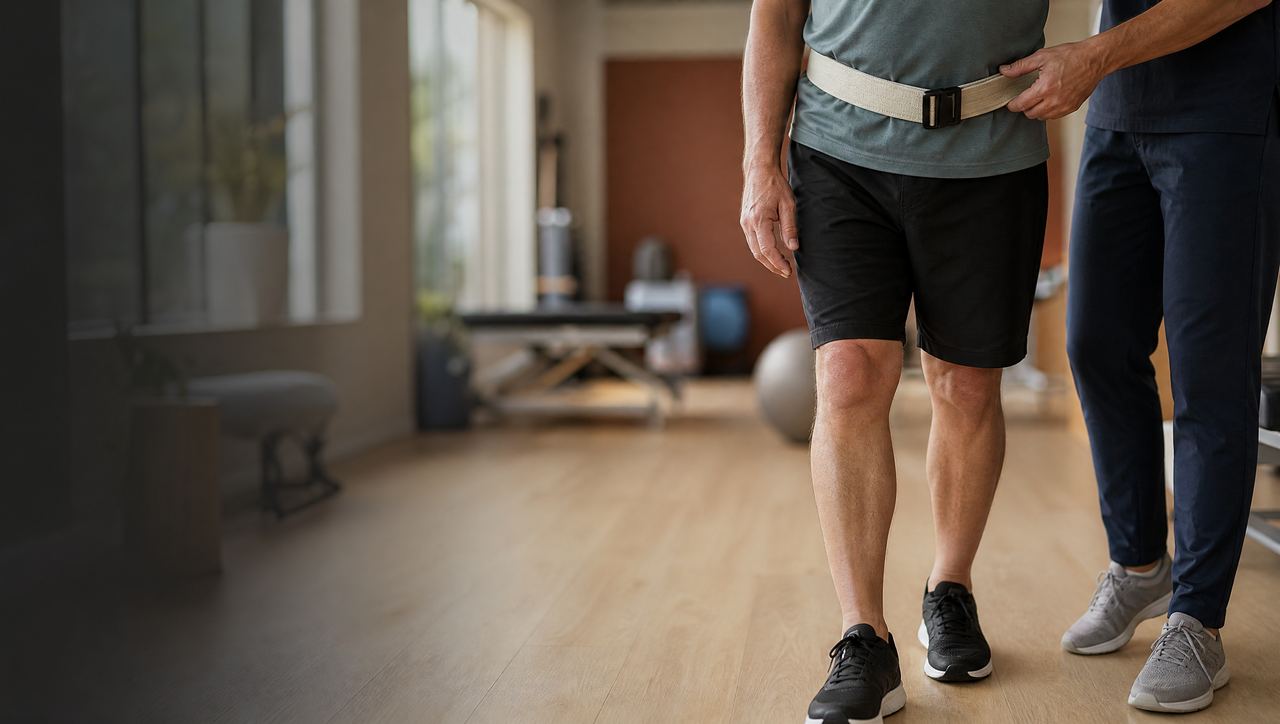
01 Overview
Understanding Difficulty Walking
Difficulty walking—sometimes called “gait problems”—can happen for many reasons. It may be from joint pain, muscle weakness, balance issues, nerve problems, or recovery from an injury or surgery. Everyday conditions like arthritis, stroke, neuropathy, or even poor posture can all play a role. When walking becomes painful or unstable, it affects your independence, confidence, and quality of life.
Often treated with
02 Benefits
Top 3 Benefits of Treatment
- 01
Walk with Less Pain and More Comfort
Physical therapy targets the root cause of your walking difficulties, whether that’s joint stiffness, muscle weakness, or nerve irritation. With the right care, you’ll take steps with less discomfort, making daily activities much easier and more enjoyable.
- 02
Improve Balance and Stability
Customized therapy strengthens the muscles that support your body and retrains your balance systems. This means fewer stumbles, more confidence on your feet, and a reduced risk of falls—so you can move freely and safely.
- 03
Restore Independence and Confidence
Walking without fear or discomfort brings freedom. Whether it’s running errands, traveling, or just walking around your home, therapy helps you regain the ability to do what you love without relying on others.
03 How we treat it
Top 5 Treatment Options
Your plan is matched to your diagnosis and how you like to be treated — and adjusted at every visit.
- 01
Strengthening exercises
Builds muscle support to improve walking ability and stability.
- 02
Balance and gait training
Retrains how you walk, improving safety and coordination.
- 03
Manual therapy –
Hands-on techniques to loosen stiff joints and ease pain.
- 04
Assistive device training
Teaching proper use of canes, walkers, or braces for safer walking.
- 05
Personalized home program
Keeps progress moving outside therapy sessions with tailored exercises.
04 Questions
Frequently asked questions.
Great experience here! The staff was very kind and knowledgeable. I feel a lot better than when I came in. If you are looking for client focused & professional Chiropractor/Physical Therapy, come here. The staff are very…
What causes difficulty walking?
It can come from arthritis, stroke, injuries, nerve issues, muscle weakness, or balance problems.
Can physical therapy really help me walk better?
Yes—therapy addresses the underlying cause to improve strength, mobility, and stability.
Do I need a referral from a doctor?
In many cases, you can start therapy directly, but check your insurance requirements.
How long does it take to see improvement?
Some people notice changes in weeks, while others need steady therapy over months. inflammation naturally.
Will I need to use a cane or walker forever?
Not always. Therapy often reduces or eliminates the need for assistive devices.
Is difficulty walking a normal part of aging?
Not necessarily. While common, it can often be improved with the right care.
Can walking problems increase my risk of falling?
Yes. That’s why therapy focuses on balance and coordination to keep you safe.
What can I do at home to help my walking?
Following a therapist’s home exercise plan, staying active, and practicing safe movement techniques all make a big difference.
05 Related care
Keep exploring.
- AddressBD Physical Therapy, Suite B
63 South Main Street, Randolph, MA 02368 - HoursMonday – Friday · 8:00 AM – 8:00 PM
- Languages
- English
- Kriolu
- Español
- Français
- ਪੰਜਾਬੀ
- Next doorBD Chiropractic, Suite A · (781) 961‑4460