


01 Overview
What Is Dance Medicine?
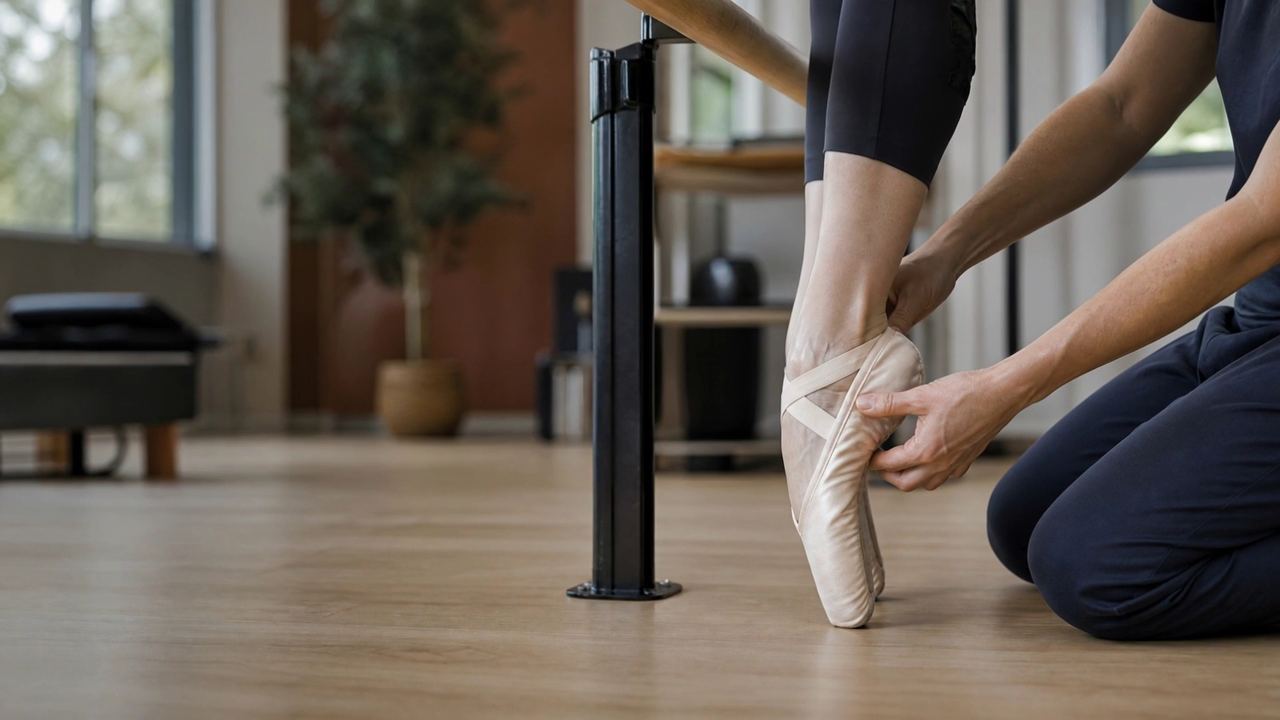
Dancers push their bodies to incredible limits—long rehearsals, demanding choreography, and constant repetition often lead to injuries or lingering pain. Dance Medicine is specialized physical therapy designed just for dancers. It combines injury recovery, movement analysis, and strength training to help performers heal faster, move more efficiently, and prevent setbacks. Whether you’re a ballet dancer, hip-hop artist, or competitive performer, this service focuses on keeping you healthy, strong, and confident both in practice and on stage.
Often part of care for
02 Benefits
Top 3 Benefits of Dance Medicine
- 01
Faster Recovery from Injuries
Dance-related injuries like sprains, stress fractures, or tendonitis can derail progress. With targeted treatment, therapy accelerates healing, reduces downtime, and restores mobility so dancers can safely return to rehearsals and performances without rushing recovery.
- 02
Prevent Injury & Long-Term Strength
Dance Medicine doesn’t just treat pain—it builds resilience. By improving strength, flexibility, and technique, therapy reduces the risk of recurring injuries and equips dancers with better body control to handle demanding routines and intense schedules.
- 03
Increase Performance & Confidence
Small imbalances in strength, posture, or technique can hold a dancer back. Therapy fine-tunes mechanics, enhances coordination, and improves endurance—giving performers the freedom to move with less pain, more control, and greater confidence on stage.
03 How we treat it
Top 5 Ways Dance Medicine Is Treated
Your plan is matched to your diagnosis and how you like to be treated — and adjusted at every visit.
- 01
Movement Analysis
Assessing dance-specific mechanics to spot weaknesses and prevent recurring injuries.
- 02
Targeted Strength Training
Customized exercises that build the muscles dancers rely on most.
- 03
Flexibility & Mobility Work
Stretching and conditioning routines to support graceful, pain-free movement.
- 04
Manual Therapy
Hands-on treatment to ease muscle tension, improve circulation, and restore joint mobility.
- 05
Injury Recovery Programs
Tailored rehab plans to safely return dancers to practice and performance.
04 Questions
Frequently asked questions.
I would like to thank the staff at BD Physical Therapy, as they treated me with respect, and definitely went above and beyond to support and motivate me to work on improving my physical health. The staff assisted me by creating a…
What injuries are most common in dancers?
Sprains, tendonitis, stress fractures, and muscle strains are frequent among dancers.
Can Dance Medicine help if I’m not injured?
Yes—therapy also focuses on prevention, strength, and performance optimization.
How is Dance Medicine different from regular PT?
It’s designed specifically around the unique physical demands of dancers and choreography.
Do you work with all dance styles?
Absolutely—ballet, jazz, hip-hop, modern, competitive, and more.
Will I need to stop dancing during therapy?
Not always—plans are tailored so many dancers continue modified practice.
How long does recovery usually take?
It depends on the injury, but therapy is focused on safe and efficient healing.
Can this help with chronic pain from dancing?
Yes—therapy addresses long-term pain by targeting its root cause and improving mechanics.
Is Dance Medicine covered by insurance?
Many insurance plans cover physical therapy services—our team can check for you.
05 Related care
Keep exploring.
- AddressBD Physical Therapy, Suite B
63 South Main Street, Randolph, MA 02368 - HoursMonday – Friday · 8:00 AM – 8:00 PM
- Languages
- English
- Kriolu
- Español
- Français
- ਪੰਜਾਬੀ
- Next doorBD Chiropractic, Suite A · (781) 961‑4460