


01 Overview
Understanding Bursitis & Tendonitis
Arthritis isn’t just “getting old” or a random occurrence—it’s a condition where your joints become inflamed, leading to stiffness, swelling, and pain. It can happen from wear-and-tear (osteoarthritis), an immune system glitch (rheumatoid arthritis), or even injury. Over time, it can make daily tasks—like climbing stairs or opening jars—frustrating and exhausting.
Often treated with
02 Benefits
Top 3 Benefits of Treating Bursitis & Tendonitis
- 01
Reduce Pain & Inflammation
Targeted therapy calms down irritated bursae and tendons while improving circulation to the area. This reduces swelling and soreness so you can move with less discomfort and avoid relying heavily on medications for relief.
- 02
Restore Strength & Flexibility
Strengthening nearby muscles and gently stretching tight areas helps ease stress on the injured tendon or joint. Over time, this restores natural movement, supports healing, and allows you to return to daily activities or sports without constant flare-ups.
- 03
Prevent Future Flare-Ups
By addressing posture, muscle imbalances, and overuse patterns, physical therapy prevents repeat injuries. Learning proper movement and building resilience keeps your joints and tendons protected long-term.
03 How we treat it
Top 5 Treatments for Bursitis and Tendonitis
Your plan is matched to your diagnosis and how you like to be treated — and adjusted at every visit.
- 01
Customized physical therapy
Builds strength and flexibility to reduce strain on joints and tendons.
- 02
Manual therapy
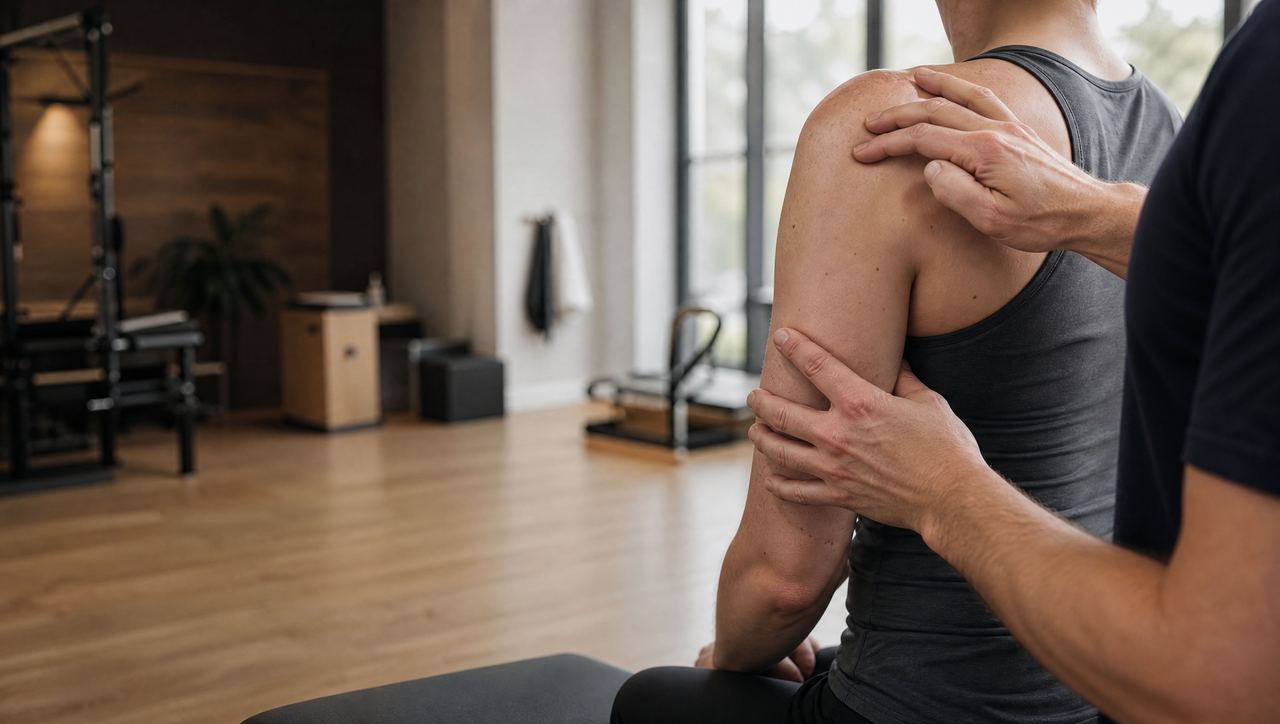
Hands-on techniques to release tightness and improve circulation.
- 03
Heat & cold therapy
Helps decrease inflammation, ease pain, and speed recovery.
- 04
Posture & movement training
Corrects habits that may be worsening irritation.
- 05
Home exercise plan
Keeps progress going outside of therapy sessions.
04 Questions
Frequently asked questions.
I absolutely love going to BD for PT! When entering the reception desk to the PT staff are always upbeat and friendly! Regan is my PT person and she is remarkable! I have had 3 Lumbar surgeries and Regan is very knowledgeable…
What causes bursitis and tendonitis?
Usually from repetitive movements, overuse, poor posture, or sudden injury.
How do I know if I have bursitis or tendonitis?
Both cause pain and swelling near a joint, but a professional exam is best for diagnosis.
Can these conditions heal on their own?
Sometimes mild cases improve with rest, but guided therapy helps prevent chronic issues.
How long does recovery usually take?
Recovery can take a few weeks to months, depending on severity and consistency with treatment.
Will exercise make my pain worse?
The right exercises help. Gentle, guided movement strengthens and supports recovery.
Do I need medication or injections?
Not always. Many people improve significantly with physical therapy alone.
What joints are most commonly affected?
Shoulders, elbows, hips, and knees are the most common problem areas.
How can I prevent bursitis and tendonitis?
Warm up before activity, avoid repetitive strain, maintain good posture, and stay consistent with strengthening exercises.
05 Related care
Keep exploring.
- AddressBD Physical Therapy, Suite B
63 South Main Street, Randolph, MA 02368 - HoursMonday – Friday · 8:00 AM – 8:00 PM
- Languages
- English
- Kriolu
- Español
- Français
- ਪੰਜਾਬੀ
- Next doorBD Chiropractic, Suite A · (781) 961‑4460