


01 Overview
Understanding Degenerative Disc Disease
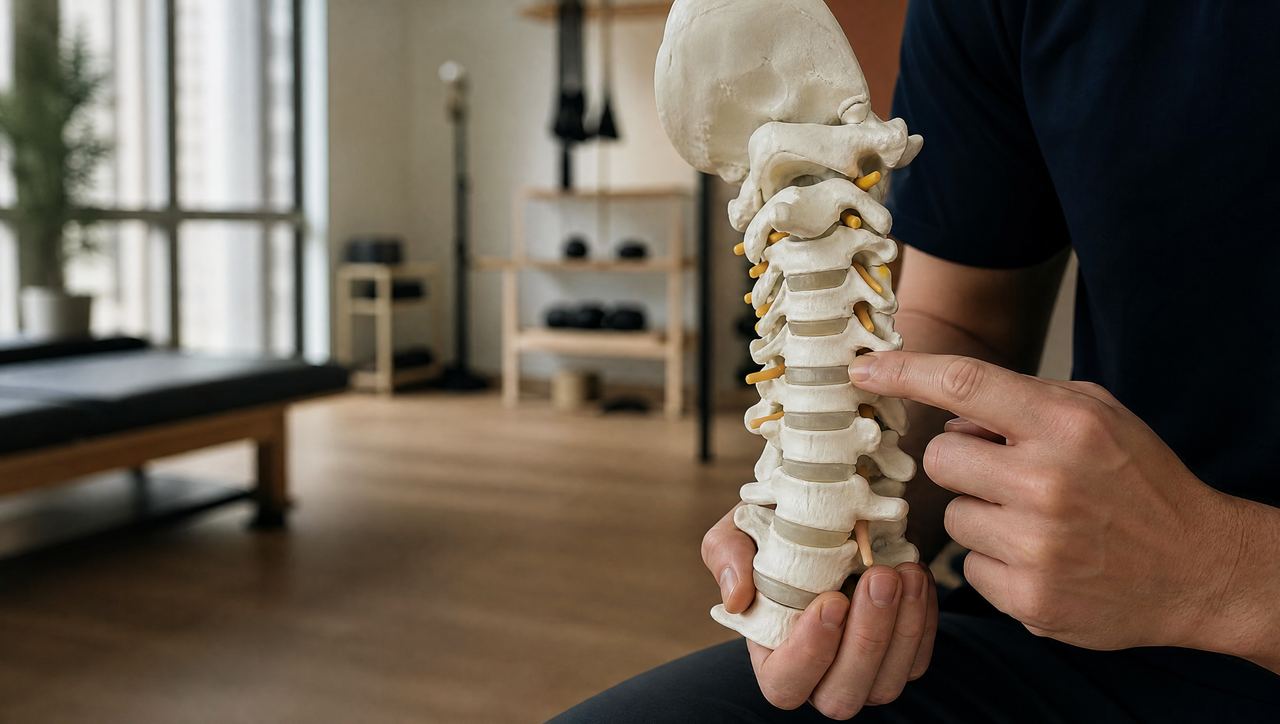
Degenerative Disc Disease (DDD) isn’t really a “disease”—it’s a natural wear-and-tear condition where the discs between your vertebrae lose cushioning and flexibility. As discs thin and dry out, they may cause pain, stiffness, or even nerve irritation that spreads to your arms or legs. While it often comes with age, it can also be triggered by repetitive strain, injuries, or poor posture. Left untreated, DDD can make daily tasks—like bending, lifting, or even sitting—painful and exhausting.
Often treated with
02 Benefits
Top 3 Benefits of Treating Degenerative Disc Disease
- 01
Reduce Pain and Stiffness
Therapy helps calm irritated nerves, reduce inflammation, and release tight muscles around the spine. This eases pain and stiffness, making daily activities like walking, bending, or sleeping far more comfortable without over-relying on pain medications.
- 02
Strengthen and Support the Spine
Targeted strengthening builds up the core and back muscles that support your spine, reducing the load on damaged discs. With better stability and posture, you’ll move more freely and confidently throughout the day.
- 03
Prevent Future Flare-Ups
Treatment teaches you safe ways to move, lift, and sit while improving flexibility. These habits, along with stronger muscles, protect against recurring pain and slow down disc degeneration, keeping you active longer.
03 How we treat it
Top 5 Treatments for Degenerative Disc Disease
Your plan is matched to your diagnosis and how you like to be treated — and adjusted at every visit.
- 01
Personalized physical therapy
Strengthens supporting muscles and improves spinal stability.
- 02
Manual therapy
Gentle hands-on care to relieve stiffness and improve mobility.
- 03
Posture and movement training
Teaches safe ways to sit, lift, and move without straining discs.
- 04
Heat & cold therapy
Helps reduce inflammation and ease sore muscles.
- 05
Home exercise program
Keeps your spine flexible and strong between sessions.
04 Questions
Frequently asked questions.
I absolutely love going to BD for PT! When entering the reception desk to the PT staff are always upbeat and friendly! Regan is my PT person and she is remarkable! I have had 3 Lumbar surgeries and Regan is very knowledgeable…
What causes degenerative disc disease?
Aging, injuries, repetitive strain, or poor posture can all speed up disc wear.
Is degenerative disc disease permanent?
While discs don’t “heal,” therapy helps manage symptoms and slow progression.
What are the most common symptoms?
Chronic back or neck pain, stiffness, and sometimes numbness or tingling in arms or legs.
Can physical therapy really help?
Yes—therapy reduces pain, strengthens muscles, and restores flexibility.
Do I need surgery for DDD?
Most people improve without surgery. Therapy is usually the first step in treatment.
How long does recovery take?
Relief often starts within weeks, but long-term progress comes with consistent therapy.
Will exercise make my pain worse?
Not with the right guidance. Gentle, targeted exercises are essential for recovery.
Can I prevent further disc degeneration?
You can’t stop aging, but strengthening, stretching, and posture training protect your spine.
05 Related care
Keep exploring.
- AddressBD Physical Therapy, Suite B
63 South Main Street, Randolph, MA 02368 - HoursMonday – Friday · 8:00 AM – 8:00 PM
- Languages
- English
- Kriolu
- Español
- Français
- ਪੰਜਾਬੀ
- Next doorBD Chiropractic, Suite A · (781) 961‑4460