


01 Overview
Understanding Labral Tears
A labral tear is an injury to the ring of cartilage (labrum) that cushions and stabilizes ball-and-socket joints like the hip or shoulder. The labrum helps keep the joint aligned and moving smoothly. Tears often happen from sports injuries, repetitive motion, accidents, or natural wear-and-tear. Symptoms can include sharp pain, clicking, locking, or a feeling of instability in the joint. Without proper care, labral tears can worsen, limiting movement and causing chronic pain.
Often treated with
02 Benefits
Top 3 Benefits of Treating Labral Tears
- 01
Reduce Pain and Improve Comfort
Physical therapy targets muscle imbalances, stiffness, and joint irritation that aggravate a torn labrum. By easing inflammation and restoring natural movement, pain is reduced—making daily activities more comfortable and less frustrating.
- 02
Restore Strength and Joint Stability
Strong muscles are essential to protecting the joint after a labral tear. Therapy builds surrounding muscle support, improving stability and function. This allows you to return to walking, lifting, or exercising without worrying about the joint slipping or catching.
- 03
Avoid Surgery and Prevent Re-Injury
Many labral tears can be managed without surgery through targeted therapy. By addressing posture, mechanics, and movement habits, physical therapy lowers your risk of future injuries while helping you recover stronger and safer.
03 How we treat it
Top 5 Treatments for Labral Tears
Your plan is matched to your diagnosis and how you like to be treated — and adjusted at every visit.
- 01
Strengthening exercises
Builds supportive muscles to protect the torn joint.
- 02
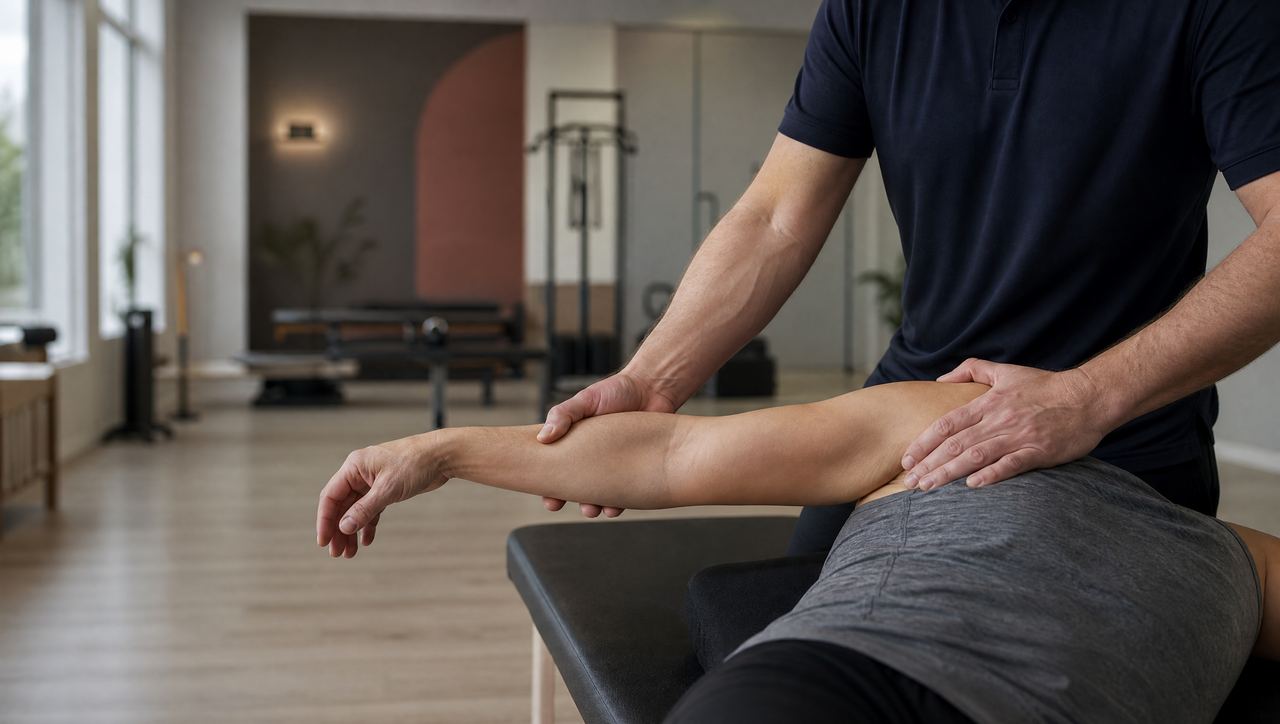
Manual therapy
Hands-on techniques to reduce stiffness and improve mobility.
- 03
Stability and balance training
Retrains joint control to prevent slipping or giving way.
- 04
Activity modification
Identifies and adjusts harmful movements to prevent aggravation.
- 05
Home exercise plan
Keeps recovery steady between therapy sessions for long-term progress.
04 Questions
Frequently asked questions.
I would like to thank the staff at BD Physical Therapy, as they treated me with respect, and definitely went above and beyond to support and motivate me to work on improving my physical health. The staff assisted me by creating a…
What causes a labral tear?
Sports injuries, repetitive movements, falls, or age-related wear-and-tear are common causes.
What joints are most affected?
Labral tears typically occur in the hip and shoulder joints.
Do I need surgery for a labral tear?
Not always. Many cases improve significantly with physical therapy.
What are the main symptoms?
Sharp pain, clicking, locking, stiffness, or a feeling of joint instability.
How long does recovery take?
Recovery depends on severity—mild tears may improve in weeks, while others take months.
Can I exercise with a labral tear?
Yes, but only under guidance. Therapy ensures safe movements that support healing.
How do I know if I have a labral tear?
Persistent pain, clicking, or instability should be evaluated by a medical professional
Can physical therapy prevent future labral injuries?
Yes—therapy strengthens surrounding muscles and improves joint mechanics to reduce risks.
05 Related care
Keep exploring.
- AddressBD Physical Therapy, Suite B
63 South Main Street, Randolph, MA 02368 - HoursMonday – Friday · 8:00 AM – 8:00 PM
- Languages
- English
- Kriolu
- Español
- Français
- ਪੰਜਾਬੀ
- Next doorBD Chiropractic, Suite A · (781) 961‑4460