


01 Overview
Understanding Shoulder Pain
Shoulder pain can show up as a dull ache, stiffness, or sharp pain when you move your arm. It’s one of the most common issues we see and can happen from overuse, poor posture, injuries, arthritis, or even something as simple as sleeping in the wrong position. Because your shoulder is such a mobile joint, even small issues can turn into big disruptions in daily life—like reaching overhead, lifting, or even putting on a shirt.
Often treated with
02 Benefits
Top 3 Benefits of Treating Shoulder Pain
- 01
Get Relief From Daily Discomfort
Physical therapy tackles the root cause of your shoulder pain through targeted treatment, helping ease aches, reduce inflammation, and restore comfort so you can move without wincing.
- 02
Regain Strength & Mobility
By focusing on flexibility, posture, and strengthening the shoulder muscles, therapy restores your range of motion and makes it easier to lift, carry, and perform everyday activities with confidence.
- 03
Prevent Future Shoulder Injury
Treatment not only helps you heal but also teaches you how to move and use your shoulder safely. This prevents reinjury, supports long-term joint health, and keeps you active without setbacks.
03 How we treat it
Top 5 Ways to Treat Shoulder Pain
Your plan is matched to your diagnosis and how you like to be treated — and adjusted at every visit.
- 01
Manual therapy –
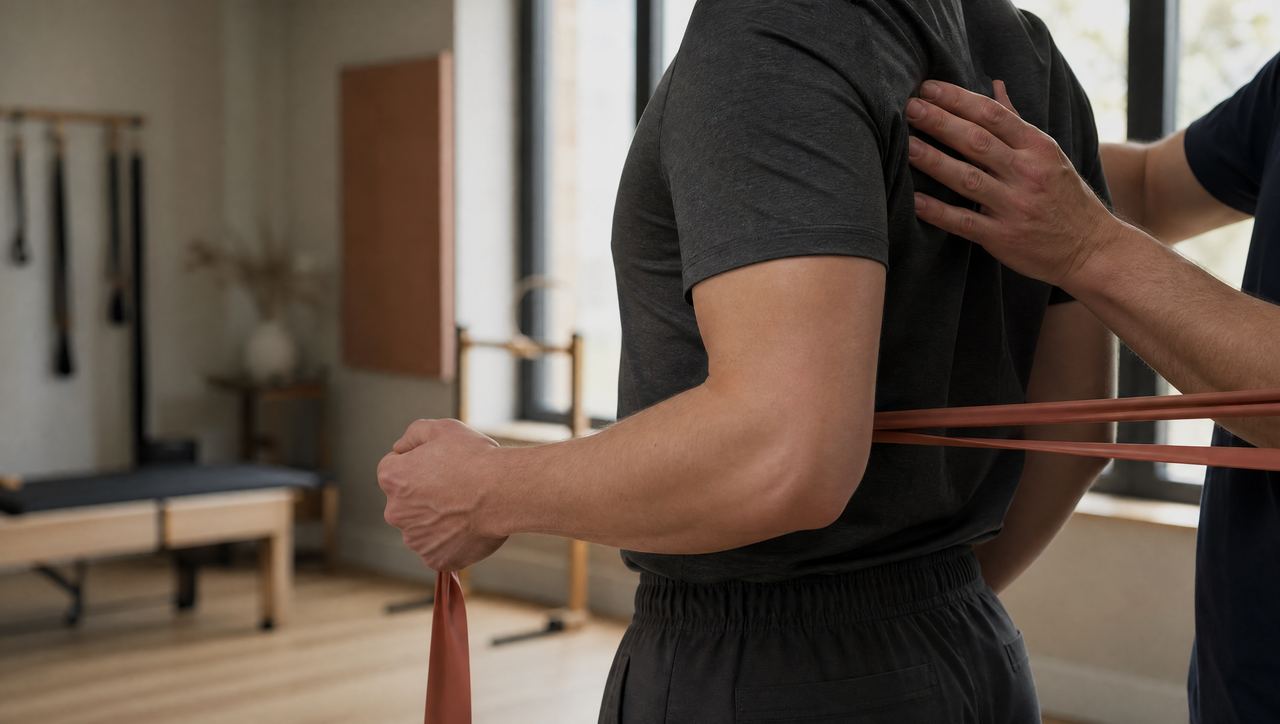
Hands-on techniques to reduce tension, improve mobility, and restore normal shoulder mechanics.
- 02
Therapeutic exercises –
Tailored strengthening and stretching to support healing and prevent stiffness.
- 03
Posture correction –
Training to improve alignment and reduce strain on shoulder joints.
- 04
Modalities
Heat, ice, ultrasound, or electrical stimulation to reduce pain and inflammation.
- 05
Home exercise program
Simple, guided routines to keep progress going between sessions.
04 Questions
Frequently asked questions.
I absolutely love going to BD for PT! When entering the reception desk to the PT staff are always upbeat and friendly! Regan is my PT person and she is remarkable! I have had 3 Lumbar surgeries and Regan is very knowledgeable…
What causes shoulder pain?
Common causes include overuse, poor posture, injuries, arthritis, rotator cuff problems, or even nerve irritation.
How do I know if it’s serious?
If pain lingers more than a week, limits your movement, or disrupts sleep, it’s best to seek treatment.
Can physical therapy really help?
Yes—therapy reduces pain, restores function, and addresses underlying issues so healing lasts.
How long will recovery take?
Recovery time depends on the cause, but many patients feel improvements within 4–6 weeks of consistent therapy.
Do I need imaging first?
Not always. A physical therapist can often evaluate and treat without X-rays or MRIs, unless a serious injury is suspected.
Will exercises make it worse?
When guided by a professional, exercises are designed to heal and protect—not worsen—your shoulder.
Can I still work out with shoulder pain?
Yes, but activity should be modified. Therapy helps you learn safe movements to avoid aggravating the injury.
What if I’ve had pain for months?
Even long-term shoulder pain can improve with proper therapy. It’s never too late to restore mobility and reduce discomfort.
05 Related care
Keep exploring.
- AddressBD Physical Therapy, Suite B
63 South Main Street, Randolph, MA 02368 - HoursMonday – Friday · 8:00 AM – 8:00 PM
- Languages
- English
- Kriolu
- Español
- Français
- ਪੰਜਾਬੀ
- Next doorBD Chiropractic, Suite A · (781) 961‑4460