


01 Overview
Understanding Rotator Cuff Injuries
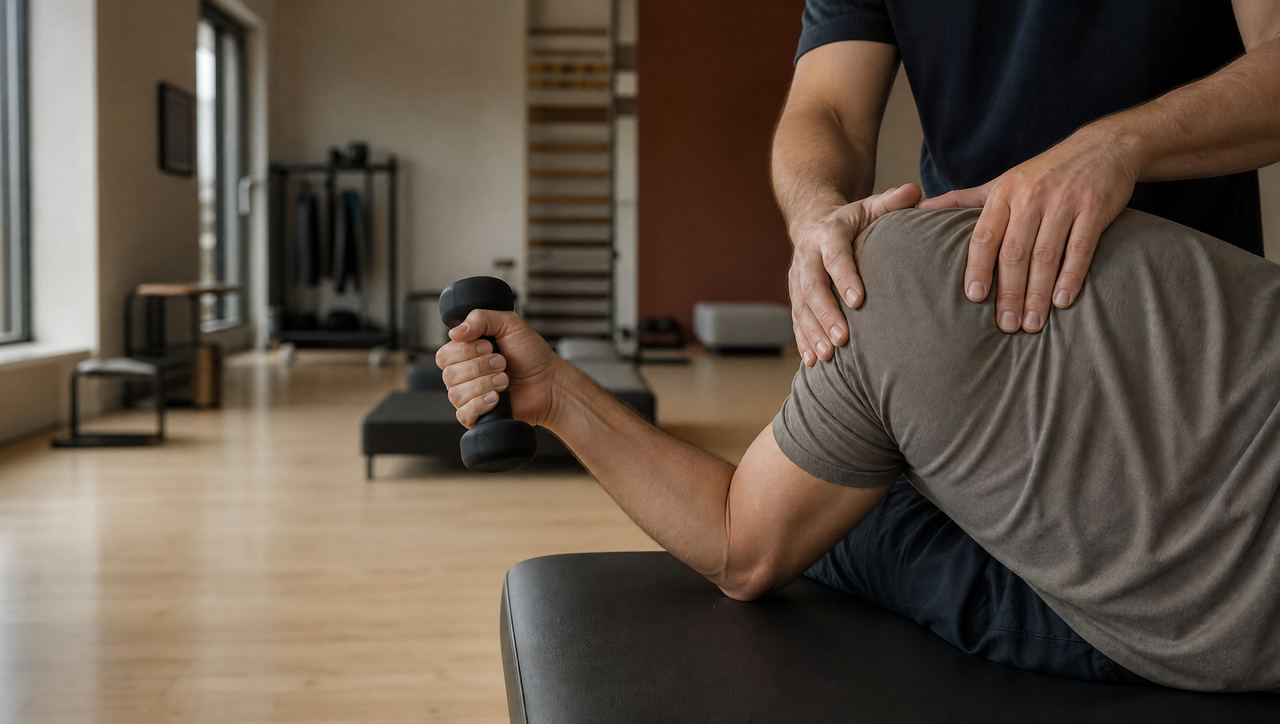
Your rotator cuff is a group of muscles and tendons that keep your shoulder joint stable and allow smooth movement. When these tissues are strained, torn, or inflamed, everyday tasks like lifting a bag, throwing a ball, or even reaching for something on a shelf can become painful. Rotator cuff injuries often happen from overuse, repetitive motions, sports, heavy lifting, or even natural wear and tear with age. Without proper treatment, the pain can get worse and lead to long-term weakness.
Often treated with
02 Benefits
Top 3 Benefits of Treating Rotator Cuff Injuries
- 01
Restore Shoulder Strength & Stability
Physical therapy strengthens the muscles that support your shoulder, reducing pain and restoring function. This means everyday tasks—like carrying groceries or reaching overhead—become easier and more comfortable.
- 02
Improve Mobility & Range of Motion
Stiffness and restricted movement are common with rotator cuff problems. Treatment restores flexibility and range of motion, helping you move freely without constant discomfort or worry about making things worse.
- 03
Avoid Surgery & Long-Term Damage
Many people fear rotator cuff tears will automatically need surgery, but that’s not always the case. Early physical therapy can prevent the need for invasive procedures and protect your shoulder from further injury.
03 How we treat it
Top 5 Treatments for Rotator Cuff Injuries
Your plan is matched to your diagnosis and how you like to be treated — and adjusted at every visit.
- 01
Manual therapy –
Hands-on techniques to release tight muscles and reduce strain on the shoulder joint.
- 02
Strengthening exercises –
Targeted routines to rebuild the rotator cuff and surrounding support muscles.
- 03
Stretching & mobility work –
Improves flexibility and reduces stiffness that limits daily activities.
- 04
Posture correction
Helps reduce unnecessary strain on the shoulders during work, sports, or daily movement.
- 05
Pain management techniques
Ice, heat, and electrical stimulation to reduce pain and inflammation.
04 Questions
Frequently asked questions.
Great experience here! The staff was very kind and knowledgeable. I feel a lot better than when I came in. If you are looking for client focused & professional Chiropractor/Physical Therapy, come here. The staff are very…
What are the symptoms of a rotator cuff injury?
Pain when lifting your arm, weakness, stiffness, and trouble sleeping on the affected shoulder.
Can a rotator cuff injury heal on its own?
Some minor strains may improve with rest, but most injuries benefit greatly from physical therapy.
Do I always need surgery for a torn rotator cuff?
No—many cases respond well to therapy and don’t require surgery.
How long does recovery take?
Recovery time depends on severity—mild cases may improve in weeks, while more severe injuries may take months.
Is physical therapy painful?
Therapy should not cause sharp pain. Mild soreness is normal, but your therapist will adjust as needed.
Can I still exercise with a rotator cuff injury?
Yes, but it’s important to follow a safe, guided plan to avoid worsening the injury.
What causes rotator cuff injuries?
Repetitive overhead motions, heavy lifting, sports injuries, or age-related wear and tear.
How do I prevent rotator cuff problems in the future?
Strengthening, stretching, and proper posture are key to protecting your shoulders long-term.
05 Related care
Keep exploring.
- AddressBD Physical Therapy, Suite B
63 South Main Street, Randolph, MA 02368 - HoursMonday – Friday · 8:00 AM – 8:00 PM
- Languages
- English
- Kriolu
- Español
- Français
- ਪੰਜਾਬੀ
- Next doorBD Chiropractic, Suite A · (781) 961‑4460