


01 Overview
What Is Occupational Therapy?
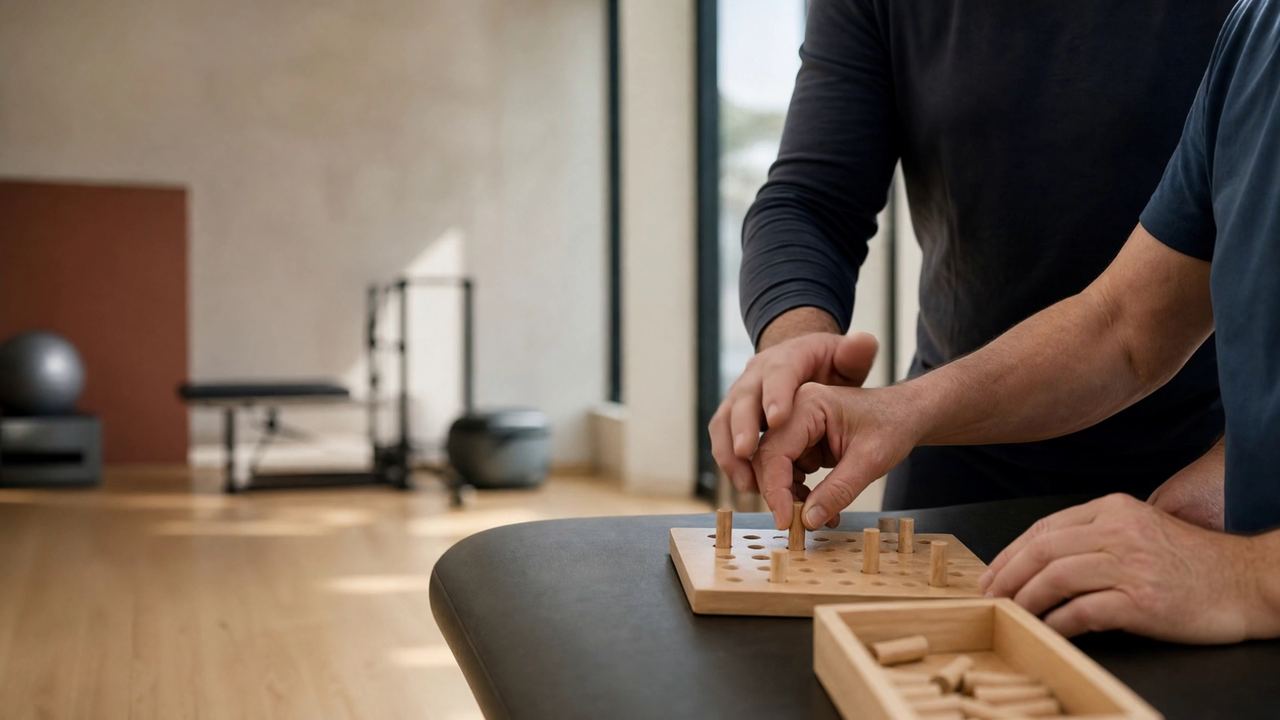
Occupational Therapy (OT) is all about helping you get back to doing the activities that matter most—whether that’s cooking, dressing, working, or enjoying hobbies. After an injury, illness, or disability, OT helps rebuild strength, coordination, and confidence so you can handle everyday life with less struggle and more independence.
Often part of care for
02 Benefits
Top 3 Benefits of Occupational Therapy
- 01
Independence in Daily Living
From buttoning a shirt to preparing meals, OT focuses on practical skills you use every day. Therapy helps you regain confidence in your ability to manage life independently, reducing frustration and increasing quality of life.
- 02
Improves Strength & Mobility
Targeted exercises and adaptive strategies enhance your range of motion, fine motor skills, and strength. This makes it easier to move through your day, handle objects safely, and complete activities with less pain or fatigue.
- 03
Enhances Quality of Life & Confidence
Occupational therapy isn’t just about physical recovery—it helps you feel capable again. By making daily tasks achievable, OT boosts emotional well-being, giving you the confidence to stay active and engaged in the things you enjoy most.
03 How we treat it
Top 5 Ways Occupational Therapy Helps Patients
Your plan is matched to your diagnosis and how you like to be treated — and adjusted at every visit.
- 01
ADL (Activities of Daily Living) Training
Hands-on guidance for dressing, bathing, eating, and other essential daily tasks.
- 02
Fine Motor Skill Development
Exercises to improve hand coordination and strength for writing, gripping, or using tools.
- 03
Adaptive Equipment Training
Teaching patients how to use tools like reachers, braces, or modified utensils for independence.
- 04
Cognitive & Memory Support
Strategies to help manage attention, memory, and problem-solving challenges.
- 05
Pain Management & Energy Conservation
Techniques to reduce strain, improve posture, and complete tasks with less fatigue.
04 Questions
Frequently asked questions.
I would like to thank the staff at BD Physical Therapy, as they treated me with respect, and definitely went above and beyond to support and motivate me to work on improving my physical health. The staff assisted me by creating a…
Who can benefit from occupational therapy?
Anyone recovering from injury, surgery, illness, or managing conditions like arthritis, stroke, or neurological disorders.
How is OT different from physical therapy?
Physical therapy focuses on restoring movement and strength, while OT focuses on improving your ability to perform everyday tasks.
How long does occupational therapy take?
It varies depending on your condition and goals—some patients need weeks of care, others benefit from longer programs.
Do I need a doctor’s referral for occupational therapy?
In many cases, yes, but some states allow direct access. Check with your insurance or clinic for specific requirements.
Will I need special equipment at home?
Sometimes simple tools or adaptive devices are recommended, but your therapist will guide you on what’s truly helpful.
Can occupational therapy help with arthritis or joint pain?
Absolutely—OT teaches joint protection, energy-saving techniques, and strategies to reduce strain on painful joints.
Is occupational therapy safe for seniors?
Yes. OT is especially valuable for older adults, helping prevent falls, improve safety, and maintain independence.
Will I see improvement right away?
Progress can take time, but most patients notice small improvements in daily activities within the first few weeks of therapy.
- AddressBD Physical Therapy, Suite B
63 South Main Street, Randolph, MA 02368 - HoursMonday – Friday · 8:00 AM – 8:00 PM
- Languages
- English
- Kriolu
- Español
- Français
- ਪੰਜਾਬੀ
- Next doorBD Chiropractic, Suite A · (781) 961‑4460