


01 Overview
Understanding TMJ Disorders
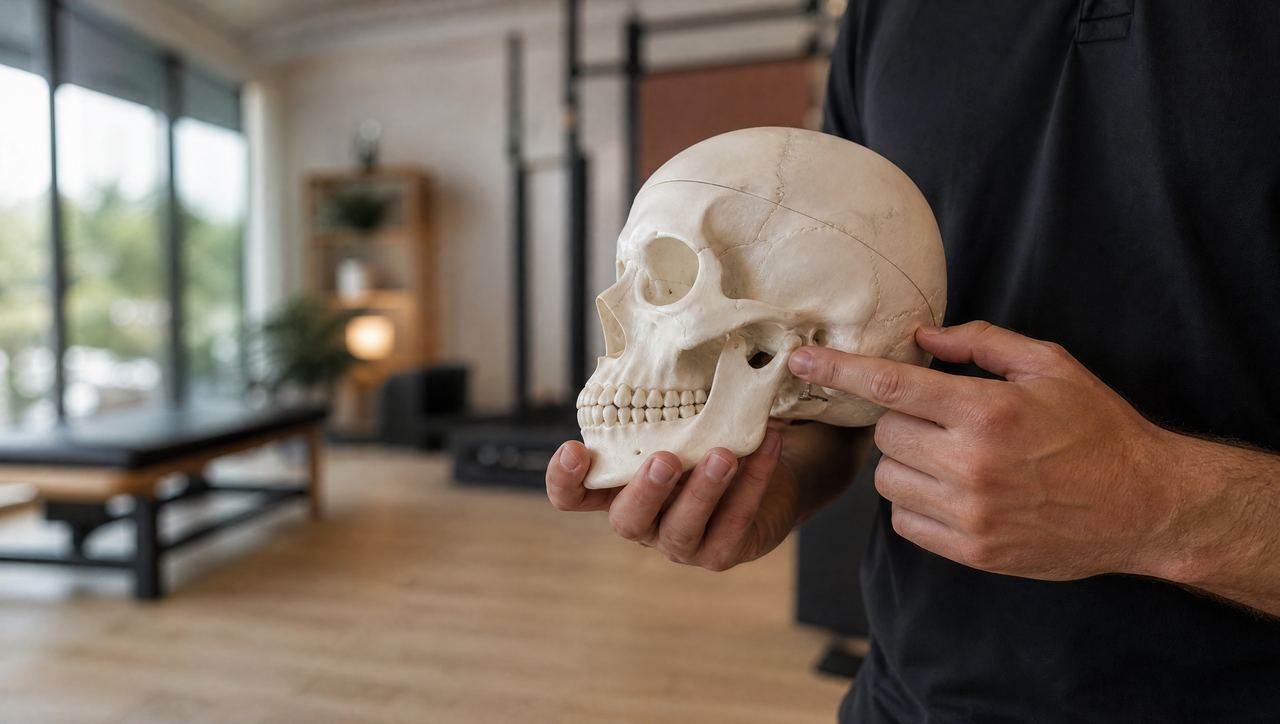
TMJ disorders affect the temporomandibular joint, the hinge connecting your jaw to your skull. When this joint is strained or irritated, it can cause jaw pain, popping sounds, headaches, and even difficulty chewing. Common causes include teeth grinding, stress, jaw injury, arthritis, or poor posture.
Often treated with
02 Benefits
Top 3 Benefits of Treating TMJ Disorders
- 01
Lasting Pain Relief
TMJ therapy reduces jaw tension, headaches, and facial pain by restoring balance and mobility in the jaw. This allows you to enjoy meals, conversations, and daily life without constant discomfort.
- 02
Improved Jaw Function
Through targeted therapy, your jaw can move more smoothly and naturally. Treatment helps reduce stiffness, clicking, and locking, making everyday actions like eating and speaking feel effortless again
- 03
Better Quality of Life
By easing pain and restoring normal function, TMJ treatment helps improve sleep, reduce stress, and support overall well-being. Patients often feel calmer, healthier, and more con-fident.
03 How we treat it
Top 5 Treatments for TMJ Disorders
Your plan is matched to your diagnosis and how you like to be treated — and adjusted at every visit.
- 01
Manual Therapy
Hands-on techniques ease tension in jaw and neck muscles.
- 02
Therapeutic Exercises
Improve jaw strength, mobility, and posture.
- 03
Heat & Cold Therapy
Reduce inflammation and relax tight muscles.
- 04
Stress Management
Relieves clenching and teeth grinding habits.
- 05
Postural Training
Corrects body alignment to ease pressure on the jaw.
04 Questions
Frequently asked questions.
I absolutely love going to BD for PT! When entering the reception desk to the PT staff are always upbeat and friendly! Regan is my PT person and she is remarkable! I have had 3 Lumbar surgeries and Regan is very knowledgeable…
What are the main symptoms of TMJ disorders?
Jaw pain, clicking or popping sounds, headaches, earaches, and difficulty chewing are the most common symptoms.
Can stress really cause TMJ problems?
Yes, stress often leads to jaw clenching or teeth grinding, which can irritate the TMJ.
How long does it take to see results from therapy?
Many patients feel relief within a few weeks, though it depends on the severity and cause of the condition.
Do I need medication for TMJ disorders?
Not always. Physical therapy often reduces the need for medication by addressing the root cause.
Can TMJ disorders go away on their own?
Sometimes minor cases improve, but most benefit from guided treatment to prevent worsening.
What happens during a physical therapy session for TMJ?
Sessions may include gentle jaw exercises, manual therapy, posture correction, and relaxation techniques.
Is surgery ever necessary for TMJ disorders?
Surgery is rare and only considered for severe cases. Most patients find relief with non-invasive therapy.
Can physical therapy help if I’ve had TMJ for years?
Steer clear of hard, chewy, or sticky foods like gum, nuts, or tough meats to reduce strain on your jaw.
05 Related care
Keep exploring.
- AddressBD Physical Therapy, Suite B
63 South Main Street, Randolph, MA 02368 - HoursMonday – Friday · 8:00 AM – 8:00 PM
- Languages
- English
- Kriolu
- Español
- Français
- ਪੰਜਾਬੀ
- Next doorBD Chiropractic, Suite A · (781) 961‑4460