


01 Overview
What Is Joint Mobilization?
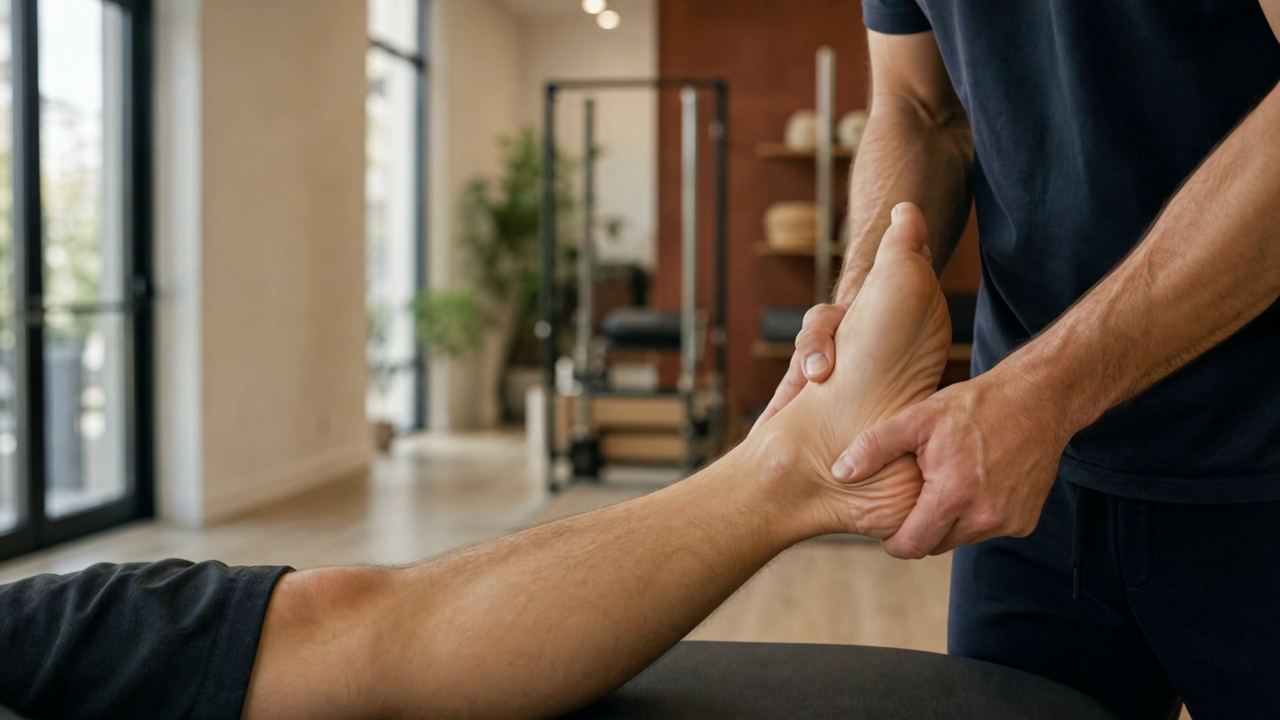
Joint mobilization is a gentle, hands-on therapy where your physical therapist applies controlled pressure and movement to stiff or painful joints. This helps improve motion, reduce pain, and restore natural alignment. Unlike aggressive adjustments, mobilization is slow, safe, and designed to guide the joint back to proper function. Whether you’re dealing with arthritis, an old injury, or everyday stiffness, joint mobilization can help you move with less pain and more ease.
Often part of care for
02 Benefits
Top 3 Benefits of Joint Mobilization
- 01
Restores Natural Mobility
When joints become stiff or restricted, even simple activities can feel difficult. Joint mobilization gently opens up the joint space, allowing for smoother, more comfortable movement so you can get back to living without limitations.
- 02
Reduces Pain & Discomfort
By improving joint mechanics and decreasing stiffness, mobilization takes pressure off surrounding muscles and tissues. This not only relieves pain in the affected area but also prevents compensations that can lead to further issues.
- 03
Supports Long-Term Joint Health
Keeping joints mobile helps prevent wear and tear that can lead to arthritis or chronic pain. Mobilization encourages healthy alignment, improved circulation, and better function—protecting your body for the long run.
03 How we treat it
Top 5 Ways Joint Mobilization Helps
Your plan is matched to your diagnosis and how you like to be treated — and adjusted at every visit.
- 01
Improves Flexibility
Frees up stiff joints for smoother movement.
- 02
Relieves Pain
Decreases pressure and discomfort in restricted areas.
- 03
Enhances Circulation
Promotes blood flow to aid in healing.
- 04
Corrects Alignment
Helps restore proper joint mechanics.
- 05
Prevents Future Injury
Keeps joints healthy and functional over time.
04 Questions
Frequently asked questions.
Great experience here! The staff was very kind and knowledgeable. I feel a lot better than when I came in. If you are looking for client focused & professional Chiropractor/Physical Therapy, come here. The staff are very…
Does joint mobilization hurt?
No—it’s gentle and controlled. Most patients feel relief and improved movement during and after treatment.
How is it different from chiropractic adjustments?
Mobilization uses slower, controlled movements instead of quick thrusts, making it a more gentle approach.
What conditions benefit from this?
Arthritis, post-injury stiffness, frozen shoulder, neck pain, back pain, and general joint tightness.
How long does each session take?
Usually 15–20 minutes, often combined with exercises or other therapies.
How soon will I see results?
Many patients feel immediate relief, though lasting improvement often comes with a few sessions.
Is joint mobilization safe for older adults?
Yes—because it’s gentle and controlled, it’s safe for a wide range of ages, including seniors.
Do I need to do exercises afterward?
Often, yes—your therapist may recommend stretches or strengthening exercises to support the improvements.
Will this permanently fix my joint issues?
It helps restore mobility and reduce pain, but ongoing movement, exercise, and posture care are key for long-term results.
05 Related care
Keep exploring.
- AddressBD Physical Therapy, Suite B
63 South Main Street, Randolph, MA 02368 - HoursMonday – Friday · 8:00 AM – 8:00 PM
- Languages
- English
- Kriolu
- Español
- Français
- ਪੰਜਾਬੀ
- Next doorBD Chiropractic, Suite A · (781) 961‑4460