


01 Overview
Understanding Sprains & Strains
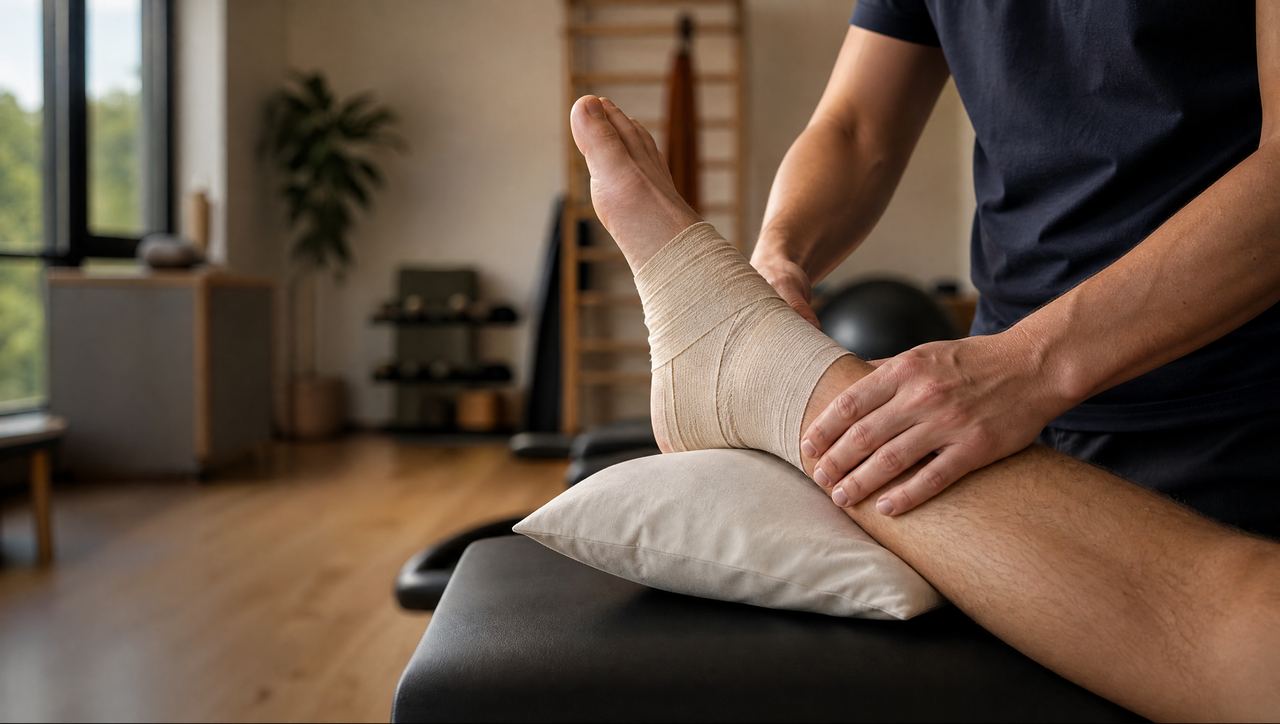
Sprains and strains are some of the most common injuries people face. A sprain happens when a ligament (the tissue connecting bones) is stretched or torn—think ankle or wrist twists. A strain involves overstretched or torn muscles or tendons, often from lifting heavy objects, sudden movements, or overuse. Both can lead to pain, swelling, and limited movement, making daily life difficult.
Often treated with
02 Benefits
Top 3 Benefits of Treating Sprains & Strains
- 01
Faster Recovery & Pain Relief
Professional physical therapy helps decrease pain and swelling while speeding up healing. Instead of waiting weeks for it to improve on its own, treatment can get you back on your feet and active sooner.
- 02
Preventing Re-injury
Re-injury is common if sprains and strains aren’t fully treated. Physical therapy strengthens muscles, improves joint stability, and teaches proper movement patterns to lower your risk of getting hurt again.
- 03
Restoring Mobility & Function
Without treatment, you may heal stiff or weak, limiting performance in sports or daily life. Therapy restores range of motion, flexibility, and strength so you can move confidently without discomfort.
03 How we treat it
Top 5 Treatments for Sprains & Strains
Your plan is matched to your diagnosis and how you like to be treated — and adjusted at every visit.
- 01
Personalized Exercise Therapy
Strength and flexibility exercises help rebuild stability, improve range of motion, and support long-term recovery.
- 02
Manual Therapy
Hands-on techniques reduce stiffness, improve circulation, and speed healing in injured tissues.
- 03
Cold & Heat Therapy
Ice reduces swelling in the early phase, while heat helps relax muscles and improve blood flow during later recovery.
- 04
Supportive Taping & Bracing
Provides stability to the injured area, allowing safe movement while tissues heal.
- 05
Education & Movement Training
Learning correct body mechanics helps prevent future sprains and strains during work, sports, or daily activities.
04 Questions
Frequently asked questions.
I absolutely love going to BD for PT! When entering the reception desk to the PT staff are always upbeat and friendly! Regan is my PT person and she is remarkable! I have had 3 Lumbar surgeries and Regan is very knowledgeable…
How do I know if I have a sprain or a strain?
Sprains usually involve joints (like ankles) with swelling and bruising, while strains affect muscles or tendons with soreness and spasms.
How long does recovery take?
Mild cases may heal in 1–2 weeks, while moderate to severe injuries can take several weeks to months with proper treatment.
Do I need imaging (X-ray or MRI)?
Not always. Physical therapists can often diagnose the injury, but imaging may be recommended if a fracture or severe tear is suspected.
Can I walk or exercise with a sprain/strain?
It depends on severity. In many cases, light movement is encouraged, but pushing through pain can delay healing.
What happens if I don’t treat it?
Untreated injuries can lead to chronic pain, weakness, instability, or frequent re-injury.
Is physical therapy better than rest alone?
Yes. Rest helps initially, but therapy restores strength, stability, and mobility, ensuring long-term recovery.
Do I need surgery for a sprain or strain?
Most cases heal without surgery. Physical therapy is highly effective for the majority of sprains and strains.
When should I see a physical therapist?
If pain, swelling, or mobility doesn’t improve within a few days—or if symptoms worsen—it’s time to seek professional care.
05 Related care
Keep exploring.
- AddressBD Physical Therapy, Suite B
63 South Main Street, Randolph, MA 02368 - HoursMonday – Friday · 8:00 AM – 8:00 PM
- Languages
- English
- Kriolu
- Español
- Français
- ਪੰਜਾਬੀ
- Next doorBD Chiropractic, Suite A · (781) 961‑4460