


01 Overview
Understanding Fractures
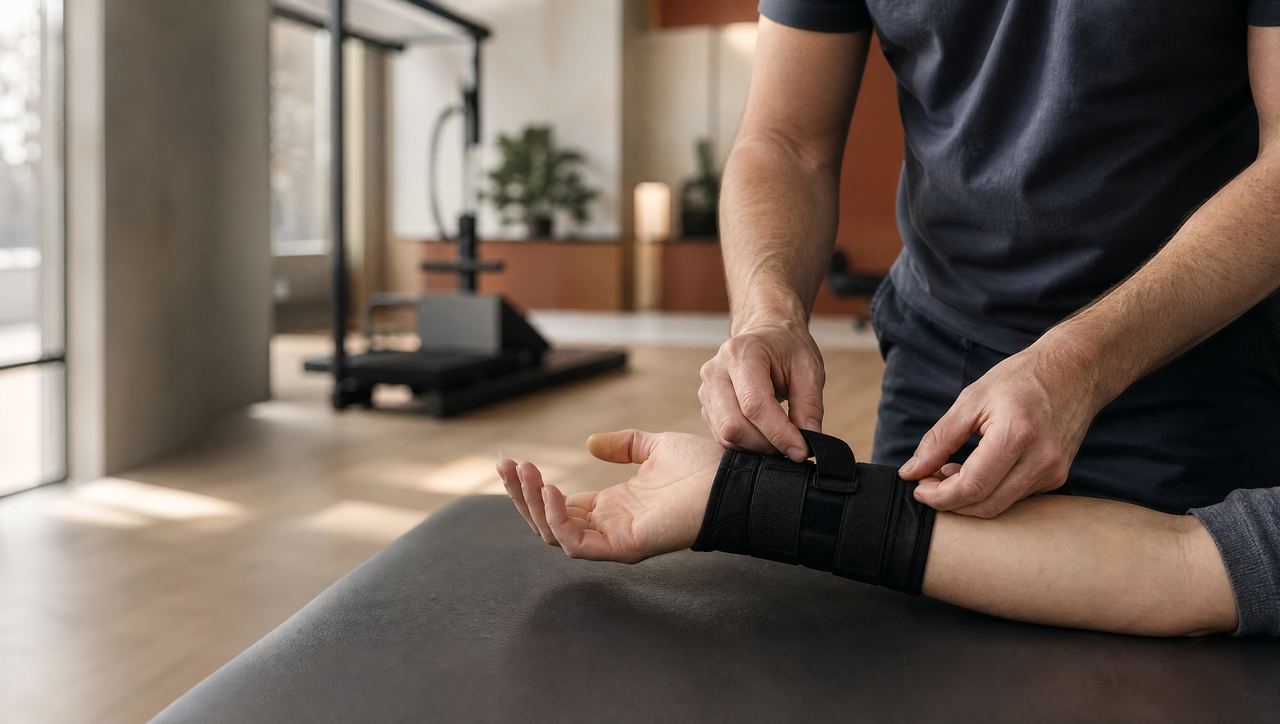
A fracture is a break or crack in a bone, usually caused by trauma such as a fall, accident, or sports injury. Sometimes, conditions like osteoporosis can make bones weaker and more prone to breaking. While casts, splints, or surgery stabilize the bone, physical therapy is often needed afterward to restore strength, mobility, and function. Without proper rehab, stiffness, weakness, and lingering pain can make recovery much slower.
Often treated with
02 Benefits
Top 3 Benefits of Treating Fractures
- 01
Restore Mobility and Flexibility
After a fracture, joints and muscles around the injured bone often stiffen from weeks of limited use. Therapy helps you regain your range of motion so you can move more freely, making daily activities like walking, lifting, or reaching much easier again.
- 02
Build Strength Prevent Re-Injury
Bones need strong muscles and stable joints for proper support. Physical therapy strengthens the surrounding areas to protect your healing bone, helping reduce the risk of future injuries and making your body more resilient.
- 03
Relieve Pain and Speed Recovery
Guided movement, manual therapy, and targeted exercises improve circulation, reduce swelling, and ease pain. This helps you heal faster and more comfortably, so you can return to work, sports, and everyday life with confidence.
03 How we treat it
Top 5 Treatments for Fractures
Your plan is matched to your diagnosis and how you like to be treated — and adjusted at every visit.
- 01
Targeted exercise therapy
Strengthens muscles around the fracture and restores function.
- 02
Manual therapy
Hands-on techniques to reduce stiffness and improve joint mobility.
- 03
Balance and coordination training
Rebuilds confidence in safe movement after injury.
- 04
Pain management techniques
Heat, ice, and guided activity to reduce discomfort.
- 05
Personalized home exercise plan
Keeps recovery moving between therapy sessions.
04 Questions
Frequently asked questions.
Great experience here! The staff was very kind and knowledgeable. I feel a lot better than when I came in. If you are looking for client focused & professional Chiropractor/Physical Therapy, come here. The staff are very…
What’s the difference between a fracture and a break?
They’re the same thing—both terms mean a bone has cracked or broken.
Do all fractures need surgery?
Not always. Many heal with casting, bracing, or splinting, followed by physical therapy.
How long does it take to recover from a fracture?
Bone healing takes weeks to months, but full recovery depends on rehab consistency.
Why do I still feel stiff after my cast is removed?
Muscles and joints weaken from disuse, but therapy restores motion and strength.
Can physical therapy speed up fracture healing?
Yes—it improves circulation, reduces stiffness, and helps you recover safely.
What happens if I don’t do rehab after a fracture?
You may experience long-term stiffness, weakness, or a higher risk of re-injury.
Can older adults heal well from fractures?
Yes—though healing may take longer, therapy helps restore independence and strength.
Will I be able to return to sports or work?
In most cases, yes. Therapy prepares you to safely return to your normal activities.
05 Related care
Keep exploring.
- AddressBD Physical Therapy, Suite B
63 South Main Street, Randolph, MA 02368 - HoursMonday – Friday · 8:00 AM – 8:00 PM
- Languages
- English
- Kriolu
- Español
- Français
- ਪੰਜਾਬੀ
- Next doorBD Chiropractic, Suite A · (781) 961‑4460