


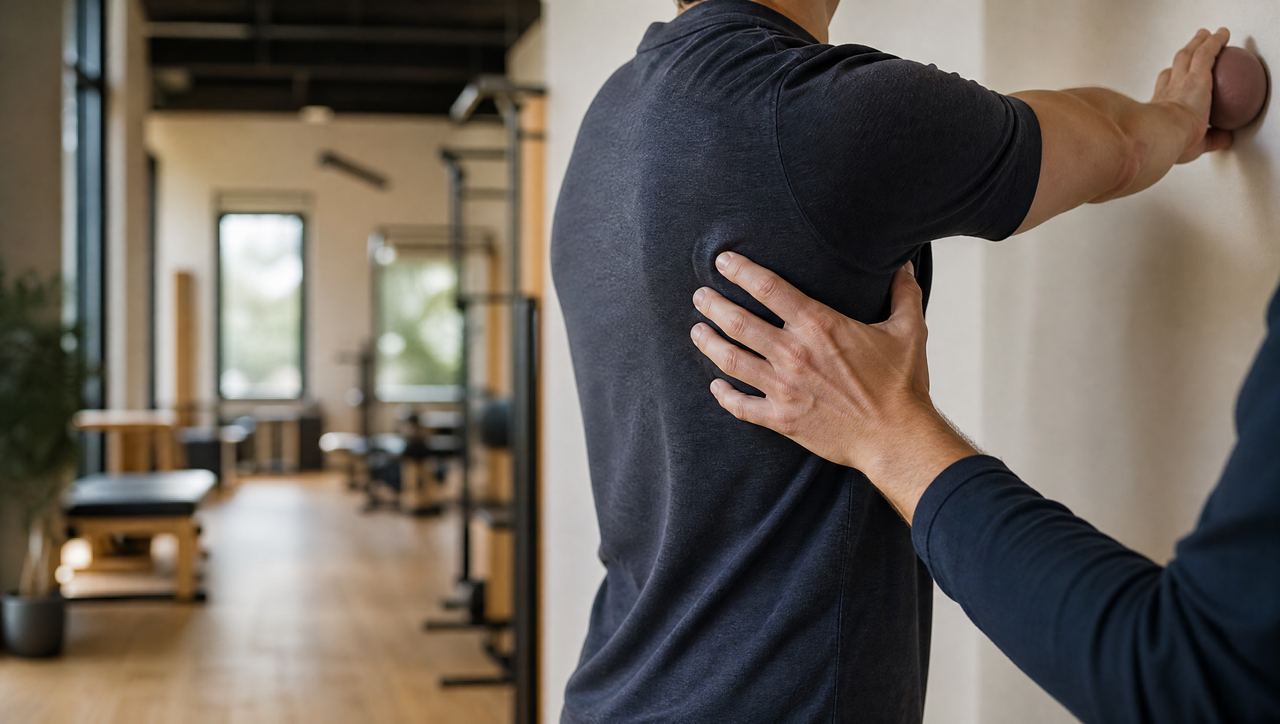
01 Overview
Understanding Dislocations & Instability
A dislocation happens when a bone pops out of its joint, usually from a fall, sports injury, or sudden impact. Even after it’s put back in place, the joint may feel weak or unstable. Instability means the joint keeps slipping, shifting, or giving out—most commonly in shoulders, knees, hips, or ankles. This instability is often caused by stretched ligaments, weak muscles, or repeated injuries. Without proper treatment, the joint can stay loose, making it more likely to dislocate again.
Often treated with
02 Benefits
Top 3 Benefits of Treating Dislocation & Instability
- 01
Regain Strength and Stability
Physical therapy targets the muscles and ligaments that support your injured joint. Stronger support means less “slipping” or “giving way,” helping you trust your body again and move without fear of repeat injuries.
- 02
Reduce Pain and Prevent Damage
Guided therapy relieves pain, improves circulation, and restores movement in the injured joint. By strengthening the area and teaching safe movement patterns, therapy helps you avoid further joint or ligament damage in the future.
- 03
Return to Daily Life and Sports
Whether you’re an athlete or just want to handle daily tasks without worry, therapy restores mobility and confidence. With better stability, you can get back to exercising, working, and enjoying life without constantly thinking about your joint slipping out.
03 How we treat it
Top 5 Treatments for Dislocation & Instability
Your plan is matched to your diagnosis and how you like to be treated — and adjusted at every visit.
- 01
Strengthening exercises
Build muscle support to stabilize the joint and prevent slipping.
- 02
Manual therapy
Hands-on care to improve joint mobility, reduce pain, and release tension.
- 03
Stability & balance training
Retrains your body to control movements and avoid repeat injuries.
- 04
Bracing or taping
Provides temporary support while healing and retraining the joint.
- 05
Personalized home plan
Simple daily exercises that reinforce stability between therapy visits.
04 Questions
Frequently asked questions.
I would like to thank the staff at BD Physical Therapy, as they treated me with respect, and definitely went above and beyond to support and motivate me to work on improving my physical health. The staff assisted me by creating a…
What causes a joint dislocation?
Usually trauma, falls, sports injuries, or accidents where the joint is forced out of place.
Why does my joint keep slipping after a dislocation?
The ligaments and muscles may have been stretched or weakened, causing instability.
Can physical therapy really help instability?
Yes—therapy strengthens and stabilizes the joint, reducing the chance of repeat dislocations.
Do I need surgery for joint instability?
Not always. Many patients recover stability with physical therapy alone.
How long does it take to recover?
It depends on severity—some people improve in weeks, others may need several months.
Which joints are most commonly dislocated?
Shoulders, knees, hips, fingers, and ankles are the most common.
Is it safe to return to sports after a dislocation?
Yes, with proper rehab. Therapy helps you rebuild strength and reduce re-injury risk.
What can I do at home to prevent instability?
Follow your therapist’s exercises, use good posture, and avoid sudden, risky movements.
05 Related care
Keep exploring.
- AddressBD Physical Therapy, Suite B
63 South Main Street, Randolph, MA 02368 - HoursMonday – Friday · 8:00 AM – 8:00 PM
- Languages
- English
- Kriolu
- Español
- Français
- ਪੰਜਾਬੀ
- Next doorBD Chiropractic, Suite A · (781) 961‑4460