


01 Overview
What Is the Graston Technique?
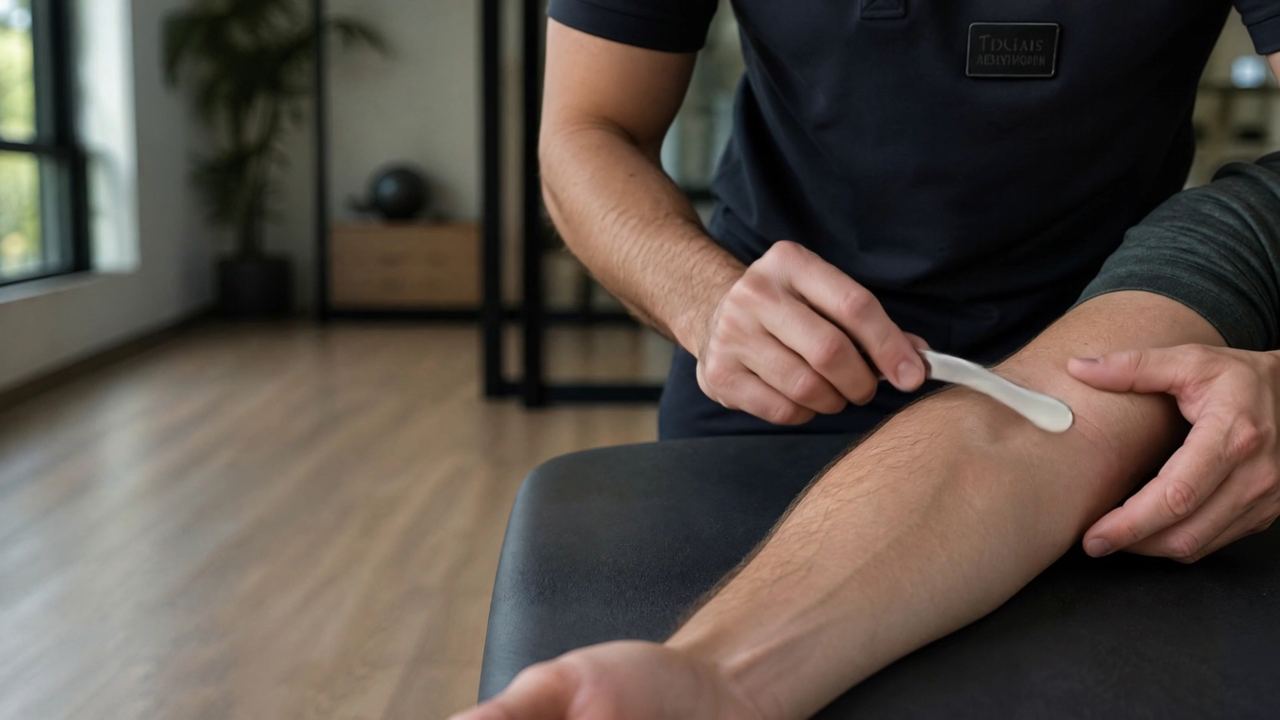
The Graston Technique is a form of manual therapy that uses specialized stainless-steel instruments to gently break up scar tissue and restrictions under the skin. This helps restore normal muscle movement, reduce pain, and improve flexibility. Think of it as a “reset” for tight or injured tissues—helping your body heal and move the way it’s supposed to.
Often part of care for
02 Benefits
Top 3 Benefits of the Graston Technique
- 01
Breaks Up Scar Tissue & Adhesions
Scar tissue can limit mobility and cause long-term discomfort. The Graston Technique helps break down these restrictions, restoring smoother muscle function and reducing painful “sticking points” that keep you from moving freely.
- 02
Increased Mobility and Flexibility
Tight fascia and muscle restrictions can make even simple movements difficult. Graston work loosens these areas, giving you greater range of motion and making everyday activities—like bending, reaching, or exercising—feel more natural and pain-free.
- 03
Faster Recovery from Injuries
By stimulating blood flow and encouraging healing, this therapy helps your body repair soft tissue damage more efficiently. Whether it’s from sports, overuse, or surgery, the technique speeds recovery so you can return to your normal routine.
03 How we treat it
Top 5 Ways the Graston Technique Helps
Your plan is matched to your diagnosis and how you like to be treated — and adjusted at every visit.
- 01
Reduces Chronic Pain
Targets stubborn tightness and long-lasting discomfort.
- 02
Enhances Healing
Increases blood flow to support tissue repair.
- 03
Restores Function
Breaks adhesions that restrict mobility.
- 04
Speeds Post-Injury Recovery
Helps athletes and active adults get back faster.
- 05
Improves Flexibility
Frees up stiff muscles and fascia for better movement.
04 Questions
Frequently asked questions.
I would like to thank the staff at BD Physical Therapy, as they treated me with respect, and definitely went above and beyond to support and motivate me to work on improving my physical health. The staff assisted me by creating a…
Does the Graston Technique hurt?
You may feel some pressure or mild discomfort, but most patients describe it as “good pain” that brings real relief.
Will I bruise after treatment?
Mild redness or slight bruising is normal and temporary—it’s a sign your body is responding to the therapy.
How long does a session last?
Usually 10–20 minutes, often paired with other physical therapy treatments.
What conditions does it treat?
It’s commonly used for tendonitis, plantar fasciitis, scar tissue, carpal tunnel, and sports injuries.
Is it safe?
Yes—when performed by a trained physical therapist, it’s safe and effective.
How many sessions will I need?
It depends on your condition. Some people feel relief in just a few visits, while chronic issues may need more.
Can athletes benefit from it?
Absolutely—it’s popular with athletes for speeding recovery and maintaining mobility.
Do I need downtime afterward?
No major downtime. You might feel sore like after a workout, but you can usually continue normal activities.
05 Related care
Keep exploring.
- AddressBD Physical Therapy, Suite B
63 South Main Street, Randolph, MA 02368 - HoursMonday – Friday · 8:00 AM – 8:00 PM
- Languages
- English
- Kriolu
- Español
- Français
- ਪੰਜਾਬੀ
- Next doorBD Chiropractic, Suite A · (781) 961‑4460