


01 Overview
Understanding Compression Fractures
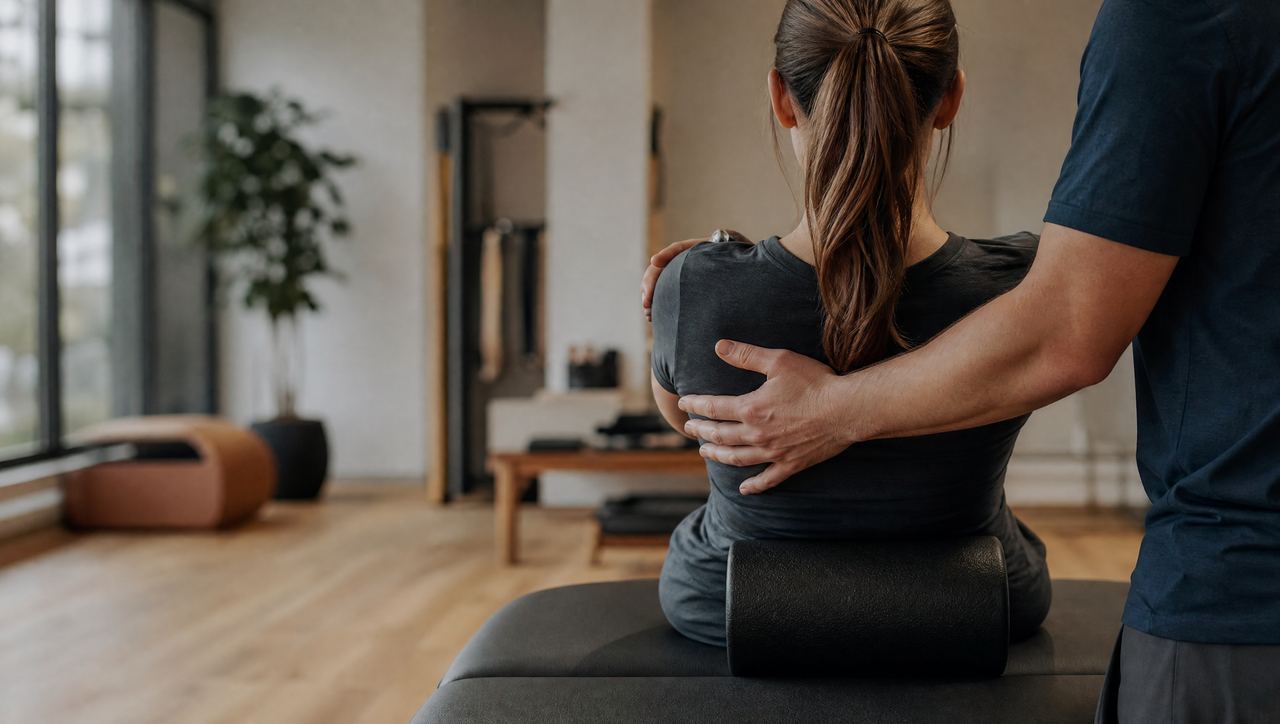
A compression fracture happens when one of the small bones in your spine (vertebrae) collapses or cracks. This can cause sudden, sharp back pain or gradually worsening aches that limit movement. It often results from osteoporosis, but can also happen after a fall, accident, or even from lifting something heavy. These fractures may lead to height loss, poor posture, or difficulty doing everyday tasks if left untreated.
Often treated with
02 Benefits
Top 3 Benefits of Treatment
- 01
Reduce Pain and Discomfort
Physical therapy helps relieve pressure on the spine, strengthens supporting muscles, and improves alignment. This combination eases pain so you can move, rest, and breathe more comfortably without relying solely on medication.
- 02
Improve Posture and Mobility
Treatment restores balance and strengthens your core and back muscles, helping you stand taller and move more freely. Improved posture not only relieves strain but also prevents other parts of your body from overcompensating.
- 03
Prevent Future Fractures
Guided exercises and education build bone strength and reduce the risk of additional fractures. By addressing weaknesses and teaching safer movement, therapy helps protect your spine long-term.
03 How we treat it
Top 5 Treatments for Compression Fractures
Your plan is matched to your diagnosis and how you like to be treated — and adjusted at every visit.
- 01
Gentle strengthening exercises –
Builds back and core support to stabilize the spine.
- 02
Posture training –
Teaches safe movement and alignment to reduce stress on fractured areas.
- 03
Manual therapy –
Gentle hands-on care to ease stiffness and improve mobility.
- 04
Pain management techniques
Heat, ice, and guided movement to control discomfort.
- 05
Personalized home program
Keeps progress going between sessions for steady recovery.
04 Questions
Frequently asked questions.
Great experience here! The staff was very kind and knowledgeable. I feel a lot better than when I came in. If you are looking for client focused & professional Chiropractor/Physical Therapy, come here. The staff are very…
What causes compression fractures?
Most often osteoporosis, but also trauma, falls, or heavy lifting.
How do I know if I have a compression fracture?
Sudden back pain, loss of height, or a stooped posture are common signs—imaging confirms diagnosis.
Do compression fractures heal on their own?
Some may improve with rest, but physical therapy speeds healing and prevents complications.
How long does recovery take?
Recovery can take weeks to months depending on severity and consistency with treatment.
Do I need surgery for a compression fracture?
Not always—many patients improve with non-surgical treatment like therapy and guided exercises.
Can physical therapy really help my spine heal?
Yes—therapy strengthens supporting muscles, reduces pain, and improves posture.
What activities should I avoid with a compression fracture?
Avoid heavy lifting, twisting, and high-impact activities until cleared by your therapist.
Can I prevent future spinal fractures?
Yes—with bone strengthening exercises, posture training, good nutrition, and consistent therapy.
05 Related care
Keep exploring.
- AddressBD Physical Therapy, Suite B
63 South Main Street, Randolph, MA 02368 - HoursMonday – Friday · 8:00 AM – 8:00 PM
- Languages
- English
- Kriolu
- Español
- Français
- ਪੰਜਾਬੀ
- Next doorBD Chiropractic, Suite A · (781) 961‑4460