


01 Overview
Understanding Meniscus Injuries
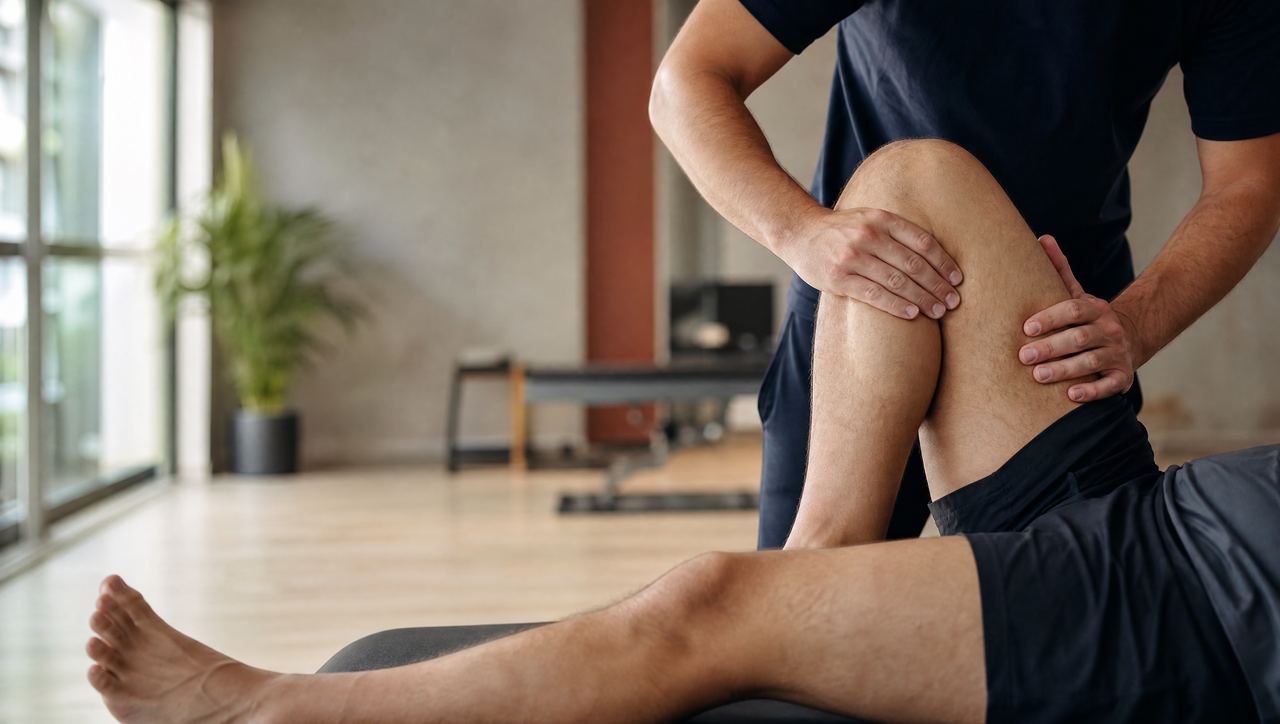
The meniscus is a piece of cartilage in your knee that cushions and stabilizes the joint. A meniscus injury—often a tear—happens when the knee twists or rotates suddenly, especially during sports or heavy lifting. It can also occur from gradual wear and tear as we age. Symptoms include pain, swelling, stiffness, clicking, or a feeling that the knee is “locking” or giving out. While some minor injuries heal on their own, most require physical therapy to restore function, prevent further damage, and help you return to normal activities.
Often treated with
02 Benefits
Top 3 Benefits of Treatment
- 01
Relieve Pain & Swelling
Therapy reduces inflammation and eases pressure on the injured cartilage. With targeted exercises, manual care, and movement retraining, you’ll experience less stiffness and soreness, making daily tasks and exercise more comfortable.
- 02
Restore Strength & Stability
A meniscus injury often weakens the surrounding muscles and leaves the knee unstable. Physical therapy strengthens key muscle groups and improves balance, so your knee feels stable and safe whether you’re walking, climbing stairs, or returning to sports.
- 03
Prevent Long-Term Knee Problems
Untreated meniscus injuries can lead to chronic pain or even arthritis. Therapy helps protect your knee by correcting movement patterns, improving flexibility, and supporting recovery—reducing the risk of future injuries or long-term joint damage.
03 How we treat it
Top 5 Treatment Options for Meniscus Injuries
Your plan is matched to your diagnosis and how you like to be treated — and adjusted at every visit.
- 01
Targeted strengthening exercises –
Builds muscle around the knee for better stability.
- 02
Manual therapy –
Hands-on care to reduce stiffness and restore natural joint movement.
- 03
Balance and coordination training
Retrains your knee for safer movement in daily life.
- 04
Heat & cold therapy
Helps manage swelling and ease pain during recovery.
- 05
Personalized home exercise plan
Keeps progress moving outside therapy sessions.
04 Questions
Frequently asked questions.
Great experience here! The staff was very kind and knowledgeable. I feel a lot better than when I came in. If you are looking for client focused & professional Chiropractor/Physical Therapy, come here. The staff are very…
What causes a meniscus tear?
Sudden twisting of the knee, sports injuries, heavy lifting, or gradual wear over time.
What are the symptoms of a meniscus injury?
Pain, swelling, stiffness, locking, or a popping/clicking sensation in the knee.
Can a meniscus tear heal without surgery?
Many tears improve with physical therapy, though severe cases may need surgery.
How long does recovery take?
Recovery time varies—minor tears may heal in weeks, while more severe injuries may take months.
Can I walk with a meniscus injury?
Yes, but it may feel unstable or painful without proper treatment.
Will physical therapy help after meniscus surgery?
Absolutely—it’s critical for regaining strength, stability, and full mobility.
What happens if I don’t treat my meniscus injury?
You risk worsening the tear, chronic instability, and long-term knee damage.
Can I return to sports after a meniscus tear?
Yes—with guided therapy, most patients return safely once strength and stability are restored.
05 Related care
Keep exploring.
- AddressBD Physical Therapy, Suite B
63 South Main Street, Randolph, MA 02368 - HoursMonday – Friday · 8:00 AM – 8:00 PM
- Languages
- English
- Kriolu
- Español
- Français
- ਪੰਜਾਬੀ
- Next doorBD Chiropractic, Suite A · (781) 961‑4460