


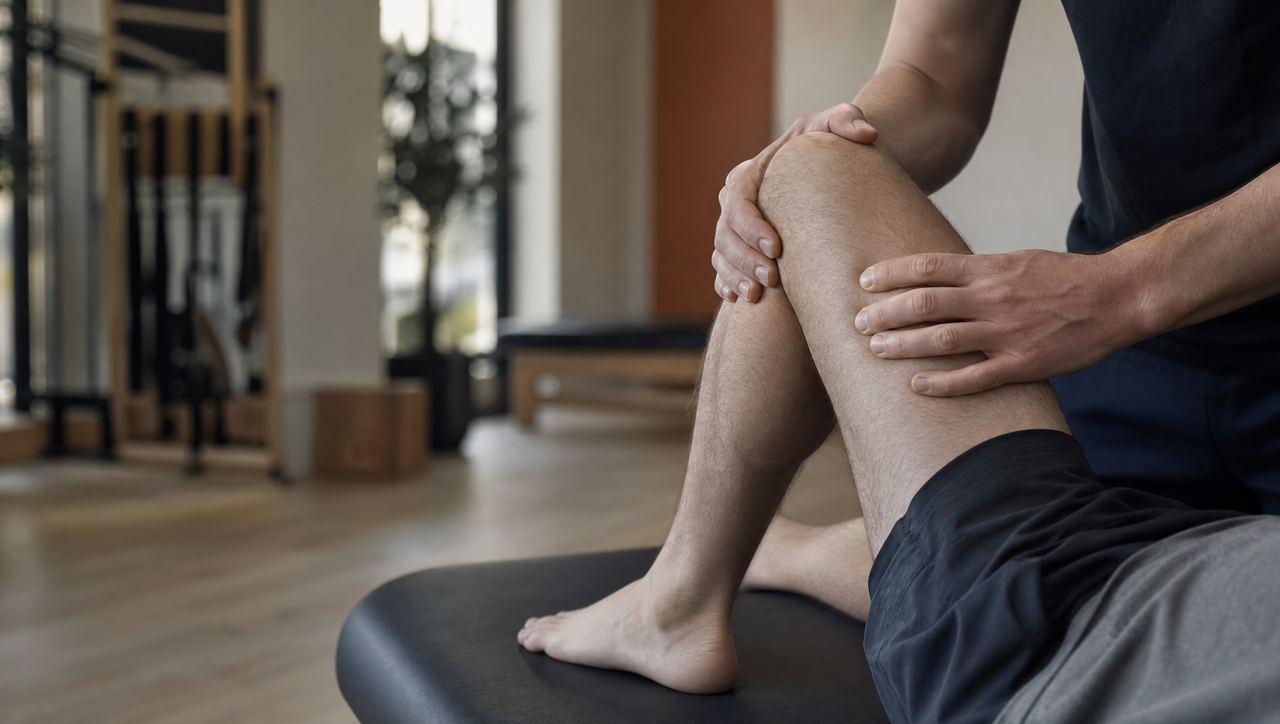
Knee pain on the outside?
Lateral Collateral Ligament (LCL) Tears
01 Overview
Understanding LCL Tears
Arthritis isn’t just “getting old” or a random occurrence—it’s a condition where your joints become inflamed, leading to stiffness, swelling, and pain. It can happen from wear-and-tear (osteoarthritis), an immune system glitch (rheumatoid arthritis), or even injury. Over time, it can make daily tasks—like climbing stairs or opening jars—frustrating and exhausting.
Often treated with
02 Benefits
Top 3 Benefits of Treatment
- 01
Reduce Pain and Swelling
Therapy calms inflammation and helps restore circulation to the injured knee. This means less soreness, less stiffness, and improved comfort so you can walk, bend, and use your knee without constant pain holding you back.
- 02
Restore Knee Strength and Stability
Strengthening the muscles around the knee provides crucial support to the healing ligament. This helps your knee feel more stable, reducing the risk of “giving way” and giving you confidence to move normally again.
- 03
Prevent Long-Term Problems
Without proper rehab, an LCL tear can lead to recurring instability or further injury. Therapy improves flexibility, strength, and mechanics, helping you protect your knee from future problems and return to an active lifestyle.
03 How we treat it
Top 5 Treatments for LCL Tears
Your plan is matched to your diagnosis and how you like to be treated — and adjusted at every visit.
- 01
Targeted strengthening exercises –
Builds muscle support around the knee for stability.
- 02
Manual therapy –
Hands-on techniques to ease stiffness and improve mobility.
- 03
Balance and stability training –
Retrains the knee to handle everyday movement safely.
- 04
Bracing or support taping
Protects the ligament during healing and activity.
- 05
Personalized home exercise program
Keeps recovery progressing between therapy visits.
04 Questions
Frequently asked questions.
I absolutely love going to BD for PT! When entering the reception desk to the PT staff are always upbeat and friendly! Regan is my PT person and she is remarkable! I have had 3 Lumbar surgeries and Regan is very knowledgeable…
What causes an LCL tear?
Usually from sports, falls, or trauma that pushes the knee inward unnaturally.
What are the symptoms of an LCL tear?
Pain, swelling, tenderness on the outer knee, and joint instability.
Can an LCL tear heal without surgery?
Many mild to moderate tears recover fully with physical therapy.
How long does LCL recovery take?
Minor tears may heal in weeks, while severe injuries can take months.
Do I need imaging to confirm an LCL tear?
An exam often identifies it, but MRIs or X-rays may be used for confirmation.
Can I walk with an LCL tear?
Mild cases may allow walking, but untreated tears risk worsening instability.
Will I be able to return to sports?
Yes—with therapy, most patients return to full activity once strength and stability are restored.
What happens if I don’t treat my LCL tear?
You risk chronic instability, ongoing pain, and higher chances of re-injury.
05 Related care
Keep exploring.
- AddressBD Physical Therapy, Suite B
63 South Main Street, Randolph, MA 02368 - HoursMonday – Friday · 8:00 AM – 8:00 PM
- Languages
- English
- Kriolu
- Español
- Français
- ਪੰਜਾਬੀ
- Next doorBD Chiropractic, Suite A · (781) 961‑4460