


01 Overview
What Is Pelvic Floor Physical Therapy?
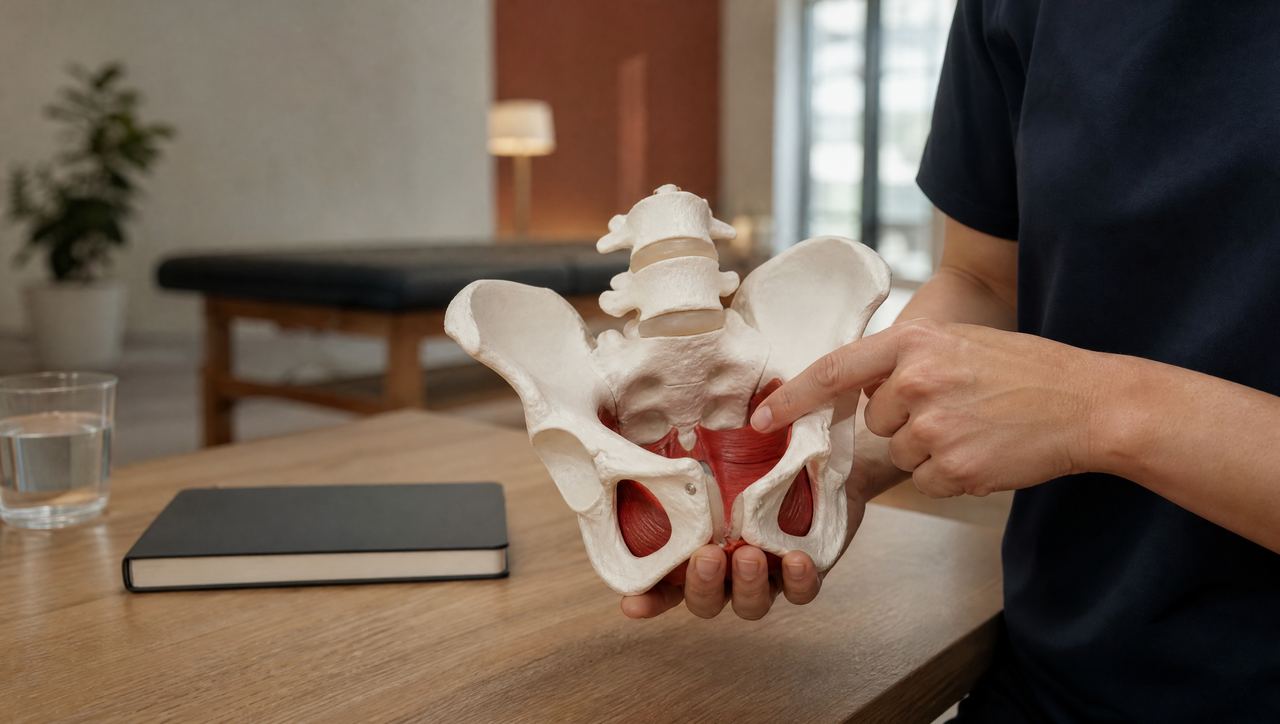
Pelvic floor physical therapy focuses on strengthening and relaxing the muscles that support your bladder, bowel, and reproductive organs. When these muscles aren’t working properly, it can cause pain, incontinence, or weakness. Therapy uses gentle, customized techniques to restore balance, improve control, and help you feel more confident in your daily life.
Often part of care for
02 Benefits
Top 3 Benefits of Pelvic Floor Therapy
- 01
Improved Bladder & Bowel Control
If you’re dealing with leaks, urgency, or constipation, pelvic floor therapy can retrain your muscles to respond properly. This restores control, reduces embarrassment, and lets you enjoy life without constantly worrying about accidents or bathroom access.
- 02
Relief from Pelvic Pain & Discomfort
Pelvic pain, pressure, or muscle tension can affect everything from sitting comfortably to intimacy. Therapy targets the root cause with gentle stretching, hands-on techniques, and exercises that ease discomfort and restore normal function.
- 03
Better Core Strength
Your pelvic floor is a key part of your core. By strengthening these muscles, you’ll notice better posture, improved movement, and increased stability, which also supports back health and prevents future injuries.
03 How we treat it
Top 5 Ways Pelvic Floor Therapy Is Treated
Your plan is matched to your diagnosis and how you like to be treated — and adjusted at every visit.
- 01
Pelvic Floor Exercises
Guided strengthening and relaxation exercises to restore muscle balance and control.
- 02
Biofeedback Training
Real-time feedback that helps you understand and improve how your pelvic muscles function.
- 03
Manual Therapy
Gentle hands-on techniques to release tension, ease pain, and improve flexibility.
- 04
Core & Postural Training
Exercises to strengthen surrounding muscles and improve alignment for long-term support.
- 05
Lifestyle & Education Support
Guidance on habits, posture, and daily strategies that protect and strengthen the pelvic floor.
04 Questions
Frequently asked questions.
I would like to thank the staff at BD Physical Therapy, as they treated me with respect, and definitely went above and beyond to support and motivate me to work on improving my physical health. The staff assisted me by creating a…
What conditions can pelvic floor therapy help with?
It treats incontinence, pelvic pain, prolapse, postpartum recovery, constipation, and more.
Is pelvic floor therapy only for women?
No—men benefit too. It helps with post-surgical recovery, pelvic pain, and bladder/bowel issues in men.
How long does it take to see results?
Many patients notice improvements within a few sessions, but full recovery depends on the condition and consistency.
Is pelvic floor therapy painful?
Sessions are gentle and customized. You may feel some initial discomfort, but most people find therapy relieving and empowering.
Do I need a doctor’s referral?
Some insurance plans require a referral, while others don’t. Our team can help you navigate the process.
Can this help after pregnancy?
Yes. Therapy supports recovery from childbirth, helping with incontinence, weakness, and core stability.
What should I expect at my first appointment?
We’ll start with a private evaluation, discuss your symptoms, and create a personalized treatment plan.
Will I need to do exercises at home?
Yes. Simple at-home exercises are key to speeding up progress and maintaining long-term results.
05 Related care
Keep exploring.
- AddressBD Physical Therapy, Suite B
63 South Main Street, Randolph, MA 02368 - HoursMonday – Friday · 8:00 AM – 8:00 PM
- Languages
- English
- Kriolu
- Español
- Français
- ਪੰਜਾਬੀ
- Next doorBD Chiropractic, Suite A · (781) 961‑4460