


Stiff spine slowing you down?
Spinal Arthritis And Spinal Stenosis
01 Overview
Understanding Spinal Arthriti & Spinal Stenosis
Spinal arthritis and spinal stenosis are two conditions that often go hand-in-hand. Spinal arthritis happens when the protective cartilage in your spine wears down, leading to inflammation, stiffness, and pain. Spinal stenosis occurs when the spinal canal narrows, putting pressure on nerves. Together, they can cause aching, numbness, tingling, or weakness in your back, hips, and legs. These conditions typically develop with age, repetitive strain, or injury—but the good news is, the right treatment can make a big difference in your comfort and mobility.
Often treated with
02 Benefits
Top 3 Benefits of Treating Spinal Arthritis & Spinal Stenosis
- 01
Reduced Pain and Discomfort
Targeted therapy helps decrease inflammation, relieve pressure on spinal nerves, and restore more natural movement. This means fewer painful flare-ups and a better ability to do the things you enjoy without being sidelined by back pain.
- 02
Improved Mobility & Independence
Treatment restores flexibility and strength in the spine and surrounding muscles, making everyday activities—like walking, bending, or standing—easier and less exhausting. Patients often notice they regain freedom and confidence in daily life.
- 03
Avoid Reliance on Medications or Surgery
While medications mask pain, therapy addresses the root cause. A non-invasive approach can delay or even prevent the need for surgery, giving you lasting results and better quality of life without depending on painkillers.
03 How we treat it
Top 5 Treatments for Spinal Arthritis and Spinal Stenosis
Your plan is matched to your diagnosis and how you like to be treated — and adjusted at every visit.
- 01
Manual therapy –
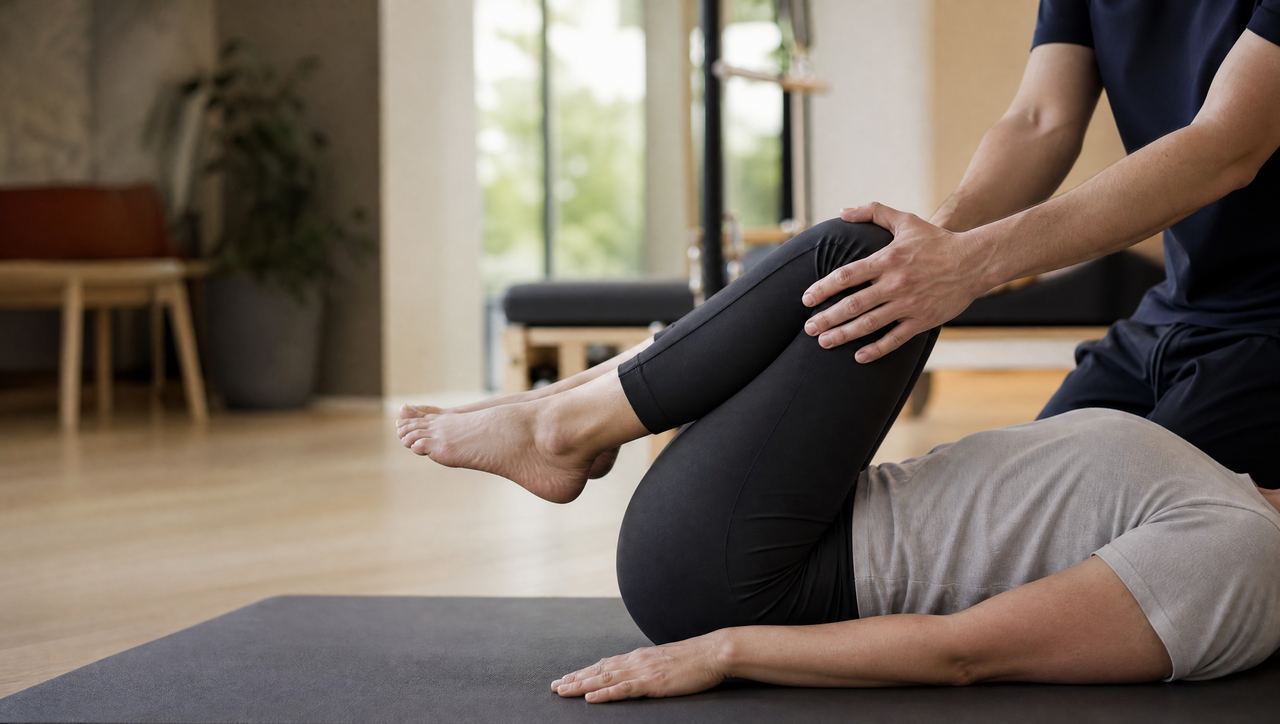
Hands-on care to improve joint mobility, reduce stiffness, and ease muscle tension around the spine.
- 02
Targeted exercises
Strengthening and stretching to support your spine, reduce pain, and improve stability.
- 03
Postural training
Teaching proper alignment to ease pressure on the spine and reduce daily strain.
- 04
Pain management techniques
Heat, ice, ultrasound, or electrical stimulation to calm inflammation and improve comfort.
- 05
Home exercise plan
Personalized routines to continue progress outside the clinic and keep your spine supported long-term.
04 Questions
Frequently asked questions.
I would like to thank the staff at BD Physical Therapy, as they treated me with respect, and definitely went above and beyond to support and motivate me to work on improving my physical health. The staff assisted me by creating a…
What’s the difference between spinal arthritis and stenosis?
Arthritis is joint inflammation; stenosis is narrowing of the spinal canal. They often occur together.
What symptoms should I watch for?
Common symptoms include back pain, stiffness, numbness, tingling, leg weakness, and pain that worsens when standing or walking.
Is physical therapy effective for these conditions?
Yes—therapy helps reduce pain, restore mobility, and improve strength without invasive procedures.
Do I need surgery for spinal stenosis?
Not always. Many patients manage symptoms successfully with therapy, posture correction, and strengthening.
How long does it take to feel relief?
Many people start noticing improvements within 4–6 weeks of consistent treatment.
Can exercise make my condition worse?
The wrong exercise might, but a therapist will guide you with safe, spine-friendly movements designed to heal, not harm.
Will my condition keep getting worse?
These conditions can progress with age, but proper treatment slows progression and reduces symptoms.
Can physical therapy help me avoid pain medication?
Yes—therapy addresses the underlying issues, reducing the need for long-term reliance on painkillers.
05 Related care
Keep exploring.
- AddressBD Physical Therapy, Suite B
63 South Main Street, Randolph, MA 02368 - HoursMonday – Friday · 8:00 AM – 8:00 PM
- Languages
- English
- Kriolu
- Español
- Français
- ਪੰਜਾਬੀ
- Next doorBD Chiropractic, Suite A · (781) 961‑4460