


01 Overview
What is Manual Mobilization?
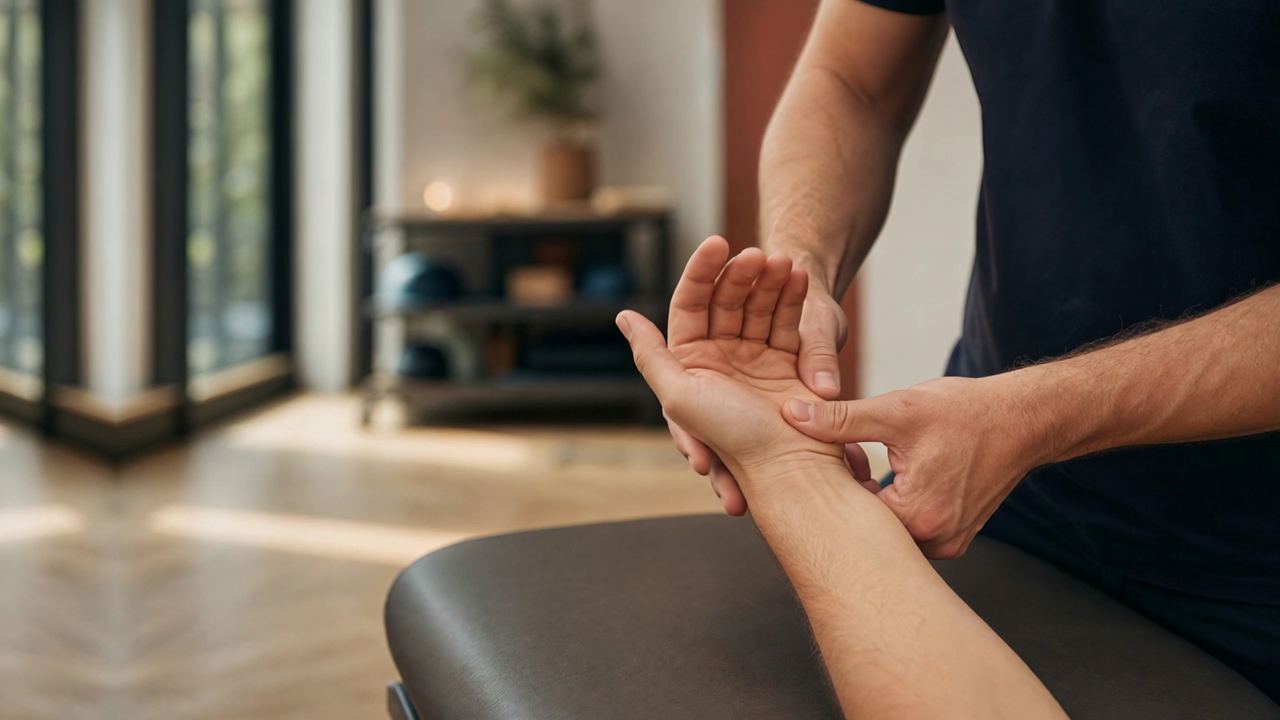
Manual mobilization is a gentle, hands-on physical therapy technique where your therapist applies slow, controlled movements to stiff or painful joints and muscles. Unlike quick or forceful adjustments, mobilization uses gradual pressure to restore movement, reduce pain, and improve function. It’s safe, comfortable, and effective for people dealing with everyday aches, arthritis, or post-injury stiffness.
Often part of care for
02 Benefits
Top 3 Benefits of Manual Mobilization
- 01
Restores Joint & Muscle Mobility
When stiffness sets in, even basic movements can feel restricted. Manual mobilization gently improves flexibility by freeing up joints and muscles, allowing you to move naturally again and get back to your daily activities without frustration.
- 02
Provides Lasting Pain Relief
Pain often comes from restricted movement or improper alignment. By easing tension and restoring balance in the body, manual mobilization reduces discomfort not only in the treated area but also in the muscles that were compensating for it.
- 03
Supports Long- Term Healing & Prevention
This therapy doesn’t just provide short-term relief—it also promotes proper joint function and alignment. Over time, it helps prevent re-injury, decreases the risk of chronic issues, and keeps your body moving the way it should.
03 How we treat it
Top 5 Ways Manual Mobilization Helps
Your plan is matched to your diagnosis and how you like to be treated — and adjusted at every visit.
- 01
Eases Stiffness
Loosens tight joints and muscles for smoother motion.
- 02
Relieves Pain
Reduces tension and discomfort from restricted movement.
- 03
Improves Circulation
Encourages blood flow for faster tissue healing.
- 04
Corrects Alignment
Restores natural balance to joints and muscles.
- 05
Prevents Injury
Keeps joints healthy and reduces risk of future strain.
04 Questions
Frequently asked questions.
I absolutely love going to BD for PT! When entering the reception desk to the PT staff are always upbeat and friendly! Regan is my PT person and she is remarkable! I have had 3 Lumbar surgeries and Regan is very knowledgeable…
Does manual mobilization hurt?
No—it’s gentle and controlled. Most people feel relief during and after treatment.
How is it different from chiropractic adjustments?
Manual mobilization uses slow, sustained movements instead of quick thrusts, making it gentler and more gradual.
What conditions does it help with?
Arthritis, back pain, neck pain, shoulder stiffness, post-surgery rehab, and everyday joint tightness.
How long does a session last?
Usually 15–20 minutes, often combined with stretching or strengthening exercises.
How soon will I see results?
Many patients feel immediate relief, while lasting improvements may take a few sessions.
Is it safe for seniors?
Yes—because it’s low-force and controlled, it’s safe and effective for older adults.
Will I need exercises afterward?
Often yes—your therapist may give you simple movements to maintain progress.
Is it covered by insurance?
In many cases, yes. Manual mobilization is typically part of physical therapy treatment plans covered by insurance.
05 Related care
Keep exploring.
- AddressBD Physical Therapy, Suite B
63 South Main Street, Randolph, MA 02368 - HoursMonday – Friday · 8:00 AM – 8:00 PM
- Languages
- English
- Kriolu
- Español
- Français
- ਪੰਜਾਬੀ
- Next doorBD Chiropractic, Suite A · (781) 961‑4460