


01 Overview
Understanding Bulging Herniated Discs
Between each bone in your spine are soft discs that act like cushions. A bulging disc happens when a disc shifts out of place and presses on nearby nerves. A herniated disc goes further, with the inner gel leaking out and irritating nerves. Both can cause sharp pain, numbness, or weakness in the back, legs, or arms. They often result from aging, heavy lifting, poor posture, or sudden movements.
Often treated with
02 Benefits
Top 3 Benefits of Treatment Bulging & Herniated Discs
- 01
Relieve Pain and Pressure
Targeted therapy eases nerve irritation, reduces inflammation, and decreases muscle tension. This means less back and leg pain, more comfort when sitting or standing, and an easier time sleeping through the night.
- 02
Restore Strength and Flexibility
Treatment builds strength in the core and spine while improving flexibility. Stronger muscles support the discs, take pressure off the spine, and allow smoother, safer movement without constant aches.
- 03
Prevent Recurring Injuries
Physical therapy not only heals your current disc issue but also teaches safe lifting, posture, and movement habits. With a stronger foundation, you lower the risk of future disc problems or flare-ups.
03 How we treat it
Top 5 Treatments for Bulging & Herniated Discs
Your plan is matched to your diagnosis and how you like to be treated — and adjusted at every visit.
- 01
Targeted physical therapy
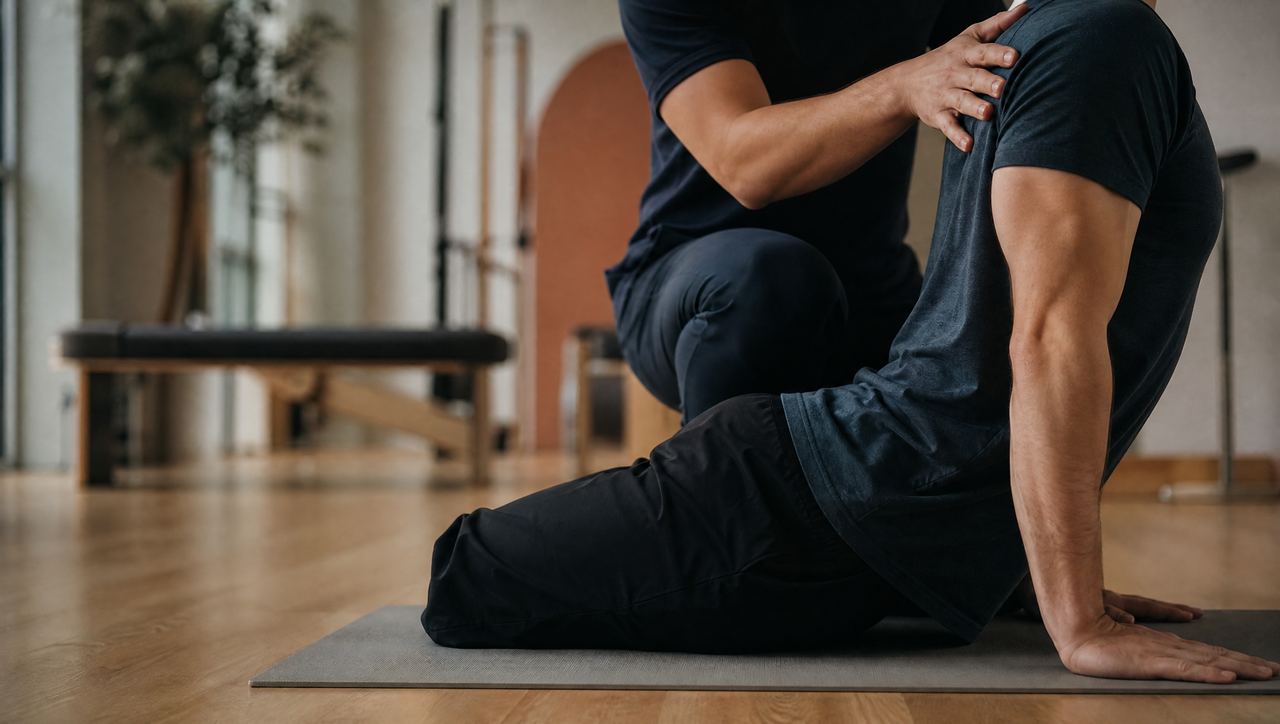
Exercises that strengthen core and spine muscles to ease disc pressure.
- 02
Manual therapy –
Gentle hands-on techniques to improve mobility and reduce pain.
- 03
Posture training –
Guidance on sitting, standing, and lifting safely to protect your spine.
- 04
Heat & cold therapy
Helps calm inflammation and soothe irritated nerves.
- 05
Personalized home exercise plan
Keeps recovery moving between therapy sessions.
04 Questions
Frequently asked questions.
I absolutely love going to BD for PT! When entering the reception desk to the PT staff are always upbeat and friendly! Regan is my PT person and she is remarkable! I have had 3 Lumbar surgeries and Regan is very knowledgeable…
What’s the difference between a bulging and herniated disc?
A bulging disc shifts outward but stays intact, while a herniated disc breaks open and leaks.
Do I need surgery for a herniated disc?
Most people improve with physical therapy—surgery is only needed in severe cases.
How long does it take to recover?
Recovery can range from weeks to a few months depending on the severity and consistency with therapy.
Can physical therapy really help my disc problem?
Yes—therapy strengthens muscles, reduces nerve pressure, and restores mobility.
Is it safe to exercise with a disc injury?
With guided therapy, yes. Controlled movement actually promotes healing.
Can a herniated disc heal on its own?
Mild cases may improve, but structured therapy speeds recovery and prevents relapse.
Will a bulging disc keep coming back?
It can if underlying weaknesses or posture issues aren’t corrected, which is why therapy is key.
What activities should I avoid with a disc injury?
Heavy lifting, twisting, and high-impact activities should be limited until you’re stronger.
05 Related care
Keep exploring.
- AddressBD Physical Therapy, Suite B
63 South Main Street, Randolph, MA 02368 - HoursMonday – Friday · 8:00 AM – 8:00 PM
- Languages
- English
- Kriolu
- Español
- Français
- ਪੰਜਾਬੀ
- Next doorBD Chiropractic, Suite A · (781) 961‑4460