


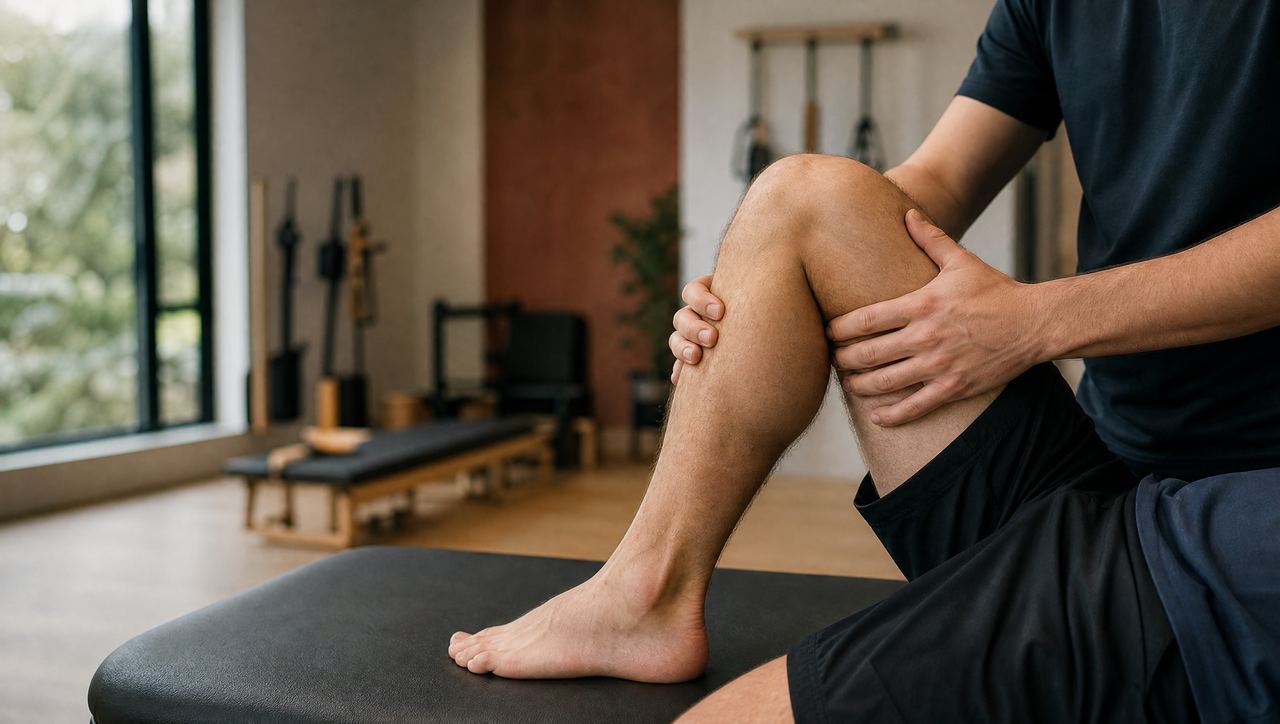
Can’t move without pain?
Posterior Cruciate Ligament (PCL) Tears
01 Overview
Understanding Posterior Cruciate Ligament (PCL) Tears
The posterior cruciate ligament (PCL) sits at the back of your knee and helps keep it stable. Tears often happen from sports injuries, car accidents, or a hard fall on a bent knee. While not as common as ACL injuries, a PCL tear can make your knee feel weak, unstable, and painful during normal activities. The good news is physical therapy can help strengthen and retrain the joint so you get back to moving with confidence.
Often treated with
02 Benefits
Top 3 Benefits of Treating PCL Tears
- 01
Improved Knee Stability
Without treatment, a torn PCL leaves your knee feeling wobbly and unreliable. Strengthening the muscles around the knee restores control, making everyday movements—like walking, climbing stairs, or playing sports—safe and secure again.
- 02
Faster Recovery Without Surgery
Most PCL tears don’t require surgery if treated properly. Physical therapy offers a safe, non-invasive way to rebuild strength and mobility. This means less downtime, fewer risks, and a faster return to the activities you enjoy.
- 03
Reduced Pain & Protection
Targeted rehab not only reduces immediate pain but also helps protect your knee from further injuries. Strengthening and retraining the joint lowers your chances of arthritis or chronic instability later on.
03 How we treat it
Top 5 Treatments for PCL Tears
Your plan is matched to your diagnosis and how you like to be treated — and adjusted at every visit.
- 01
Strengthening exercises
Builds stability by targeting the quadriceps, hamstrings, and hip muscles.
- 02
Range-of-motion training
Restores flexibility in the knee and prevents stiffness after injury.
- 03
Balance and stability drills
Retrains the joint to respond properly during daily activities or sports.
- 04
Manual therapy
Hands-on care to reduce stiffness, improve alignment, and ease discomfort.
- 05
Bracing support
In some cases, a knee brace is used to protect and support the joint during healing.
04 Questions
Frequently asked questions.
I absolutely love going to BD for PT! When entering the reception desk to the PT staff are always upbeat and friendly! Regan is my PT person and she is remarkable! I have had 3 Lumbar surgeries and Regan is very knowledgeable…
What causes a PCL tear?
It usually happens from a direct blow to a bent knee, such as in sports or car accidents.
How is a PCL tear different from an ACL tear?
The PCL is at the back of the knee and prevents backward movement, while the ACL prevents forward shifting.
Do PCL tears always need surgery?
Not always. Many PCL tears respond very well to physical therapy and conservative care.
How long does recovery take?
Mild tears may heal in 6–8 weeks, while more serious injuries can take several months of therapy.
Can I still exercise with a PCL tear?
Yes, but the right exercises matter. A physical therapist will guide you safely.
Will a PCL tear cause arthritis later?
If untreated, it increases the risk. Strengthening and proper rehab reduce this risk.
Can I return to sports after therapy?
In most cases, yes. With consistent rehab, many athletes return to their previous level of play.
Is bracing always necessary?
Not for everyone, but braces can help protect the knee in certain stages of recovery.
05 Related care
Keep exploring.
- AddressBD Physical Therapy, Suite B
63 South Main Street, Randolph, MA 02368 - HoursMonday – Friday · 8:00 AM – 8:00 PM
- Languages
- English
- Kriolu
- Español
- Français
- ਪੰਜਾਬੀ
- Next doorBD Chiropractic, Suite A · (781) 961‑4460